
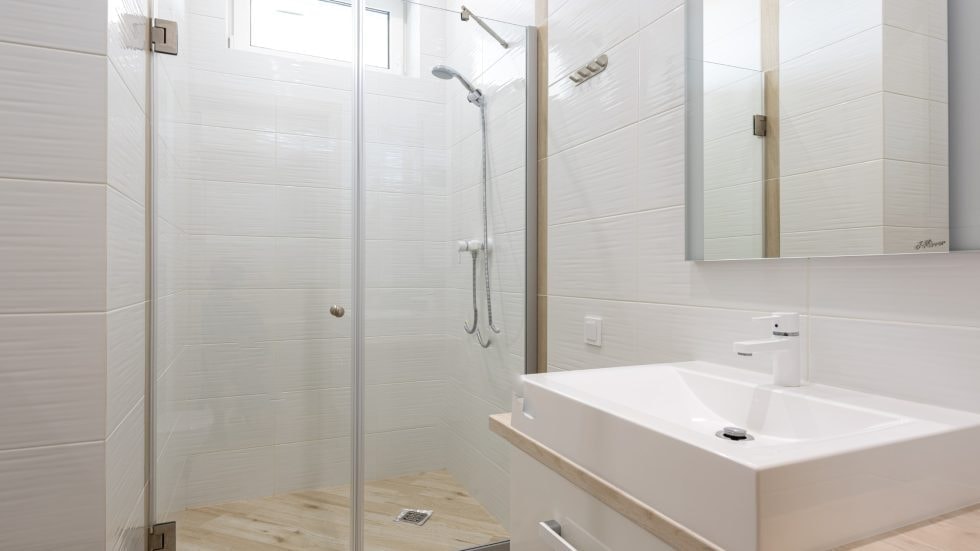
Small bathroom shower conversion projects transform cramped bathtub spaces into functional walk-in showers that maximize every square inch. Throughout Somers, Connecticut, homeowners discover that tub to shower conversions create more usable floor space while delivering modern style. The right conversion ideas turn tight bathrooms into efficient spaces without costly additions.
That bulky tub footprint, which often takes up too much space, gives way to sleek shower enclosures that make the room feel larger. Modern shower conversion approaches incorporate smart storage, safety features, and contemporary tile, creating a new bathroom feel. Learning about the complete guide to tub-to-shower conversions provides valuable insights.
Why Choose Small Bathroom Shower Conversion?
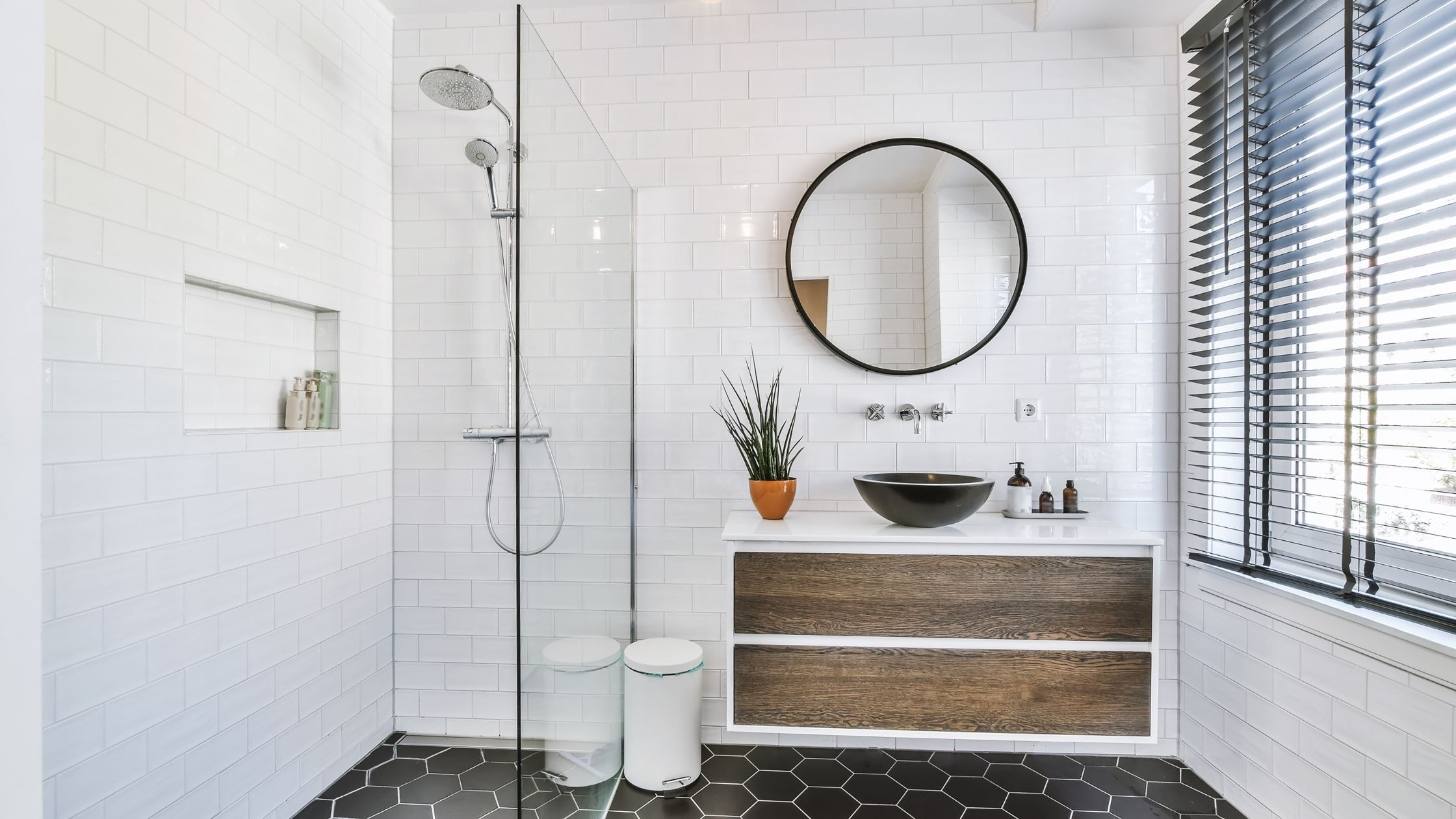
Small bathroom shower conversion delivers practical benefits that improve daily life while addressing common frustrations with cramped, outdated bathtub spaces.
Space Efficiency Advantages
Removing a bathtub frees significant floor space. Standard tubs occupy 30 to 40 square feet, which often feels like too much space devoted to a fixture families rarely use for bathing. Replacing this with a compact corner shower creates more room for movement and fixtures that better serve your needs.
Did you know? According to the National Kitchen & Bath Association, converting unused bathtubs to showers ranks among the top bathroom remodel projects for increasing functionality.
Corner installations maximize awkward spaces while preserving wall space for vanities or storage.
Modern Style Updates
New shower installations bring contemporary aesthetics that transform outdated bathrooms. Fresh tile selections paired with frameless glass shower doors and modern fixtures create visual impact. Large-format tile reduces grout lines while simplifying maintenance. Classic subway tile delivers timeless style. Granite and stone-look porcelain add luxury touches without excessive cost.
What Shower Conversion Ideas Work Best for Small Bathrooms?
Strategic design approaches maximize functionality while maintaining attractive aesthetics in compact spaces.
Corner Walk-In Shower Configurations
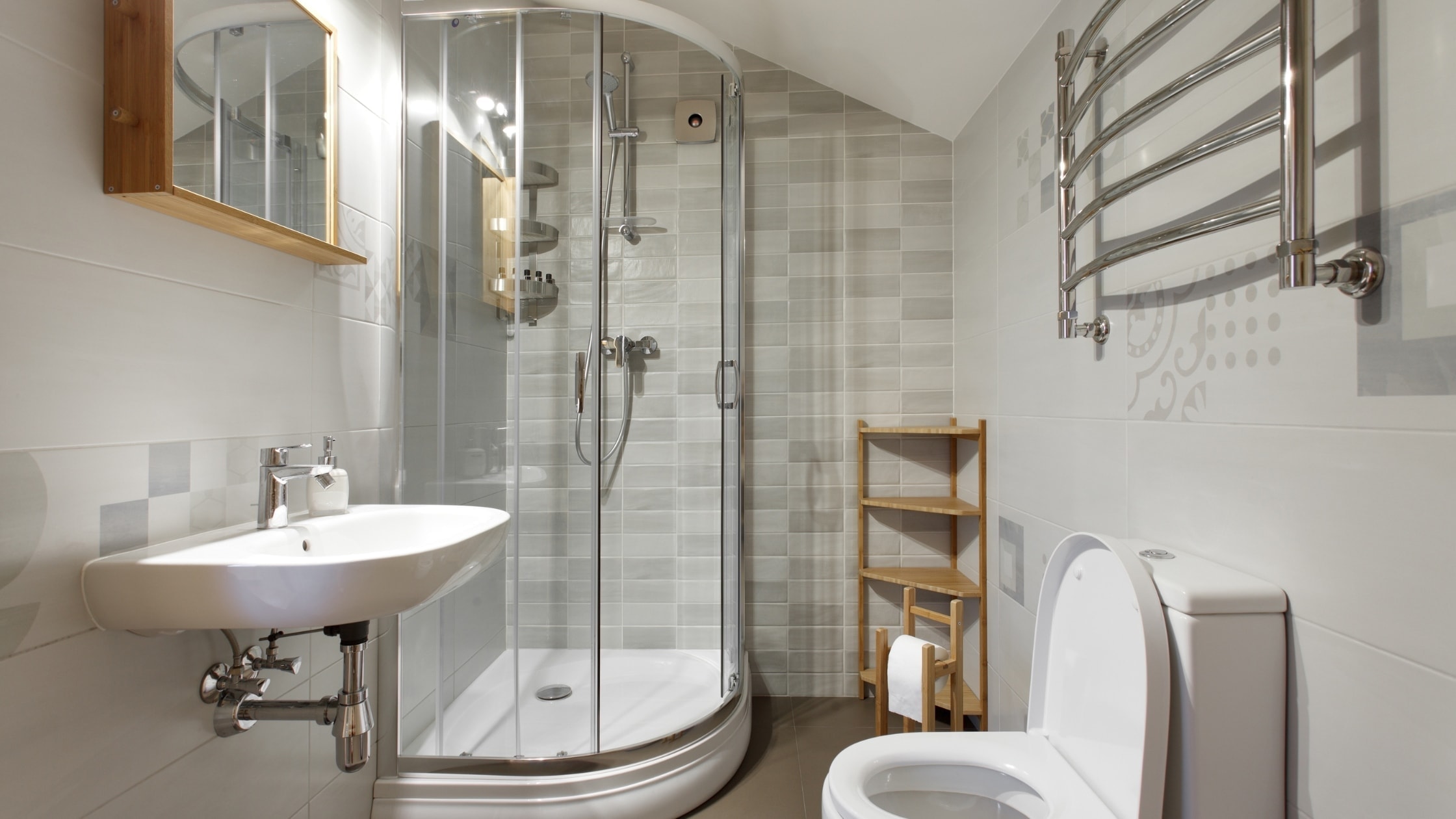
Corner walk-in showers utilize space efficiently by fitting into room corners. The angled entry creates accessible openings without doors swinging into limited floor space, preserving the center of the room for movement. This works well where standard placement would feel too cramped.
Neo-angle showers feature five-sided designs that maximize interior shower space while minimizing bathroom floor footprint. This approach suits bathrooms where every inch matters.
Curbless Shower Designs
Curbless showers eliminate raised thresholds, creating seamless bathroom floor transitions. The barrier-free design addresses accessibility needs while creating modern aesthetics that make small bathrooms feel more spacious. The continuous floor tile extends from bathroom into shower without interruption.
Quick tip: Curbless conversions require proper floor slope toward the shower drain to prevent water from flowing into the rest of the bathroom.
Waterproofing becomes critical in curbless installations. Understanding waterproofing essentials prevents moisture problems.
Compact Shower Dimensions
Minimum shower dimensions of 32 by 32 inches meet building codes while fitting tight spaces. These compact footprints accommodate comfortable showering when designed thoughtfully. Custom shower bases fit irregular spaces that standard sizes cannot accommodate.
How Should You Plan Your Tub to Shower Conversion?
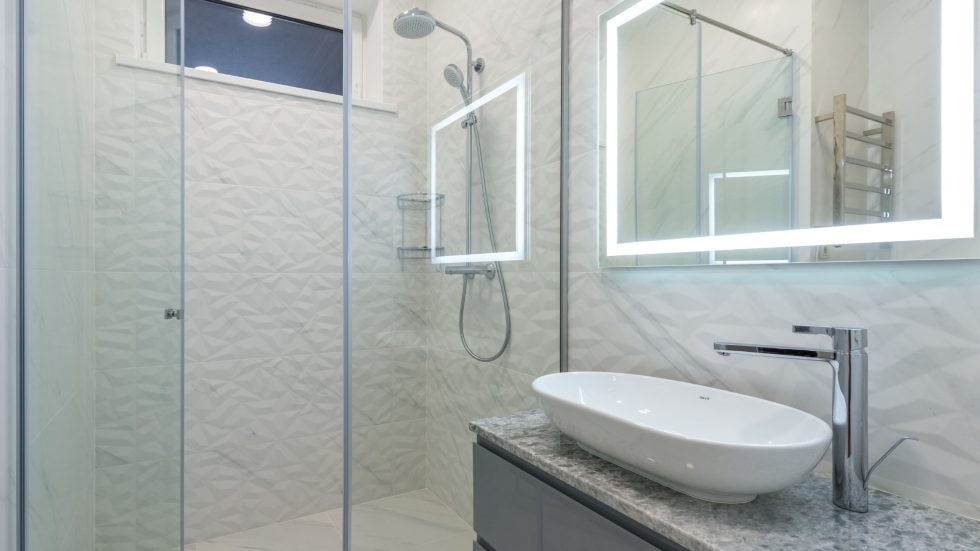
Successful projects begin with comprehensive planning that addresses your existing bathroom and vision for the new space.
Assessing Your Current Layout
Understanding existing plumbing locations guides realistic conversion planning. The current drain and water lines influence new shower placement, and positioning near current connections simplifies installation while controlling expenses. Relocating pipes escalates project costs.
Bathroom floor structure affects drainage requirements, particularly for curbless designs that need proper slope. Professional assessment identifies structural considerations before work begins.
Selecting Shower Components
Shower base selection impacts function and style. Acrylic bases offer affordable options in standard sizes. Tile shower pans create custom looks with design flexibility, though they require more time and skilled labor.
Shower door options range from framed sliding doors for tight spaces to frameless hinged glass that creates open appearances homeowners love for making small bathrooms feel larger. Consider how the door operates within your layout.
Planning for Storage
Built-in shower niches provide essential storage without protruding into the shower space. Recessed shelving holds shampoo bottles and bath products neatly organized within arm’s reach. Multiple niches at different heights accommodate varying needs of different family members.
Corner caddies and wall-mounted shelving offer practical storage alternatives when built-in options aren’t feasible. These accessories provide flexibility to adapt to changing storage needs over time.
What Are the Key Steps in a Shower Conversion Project?
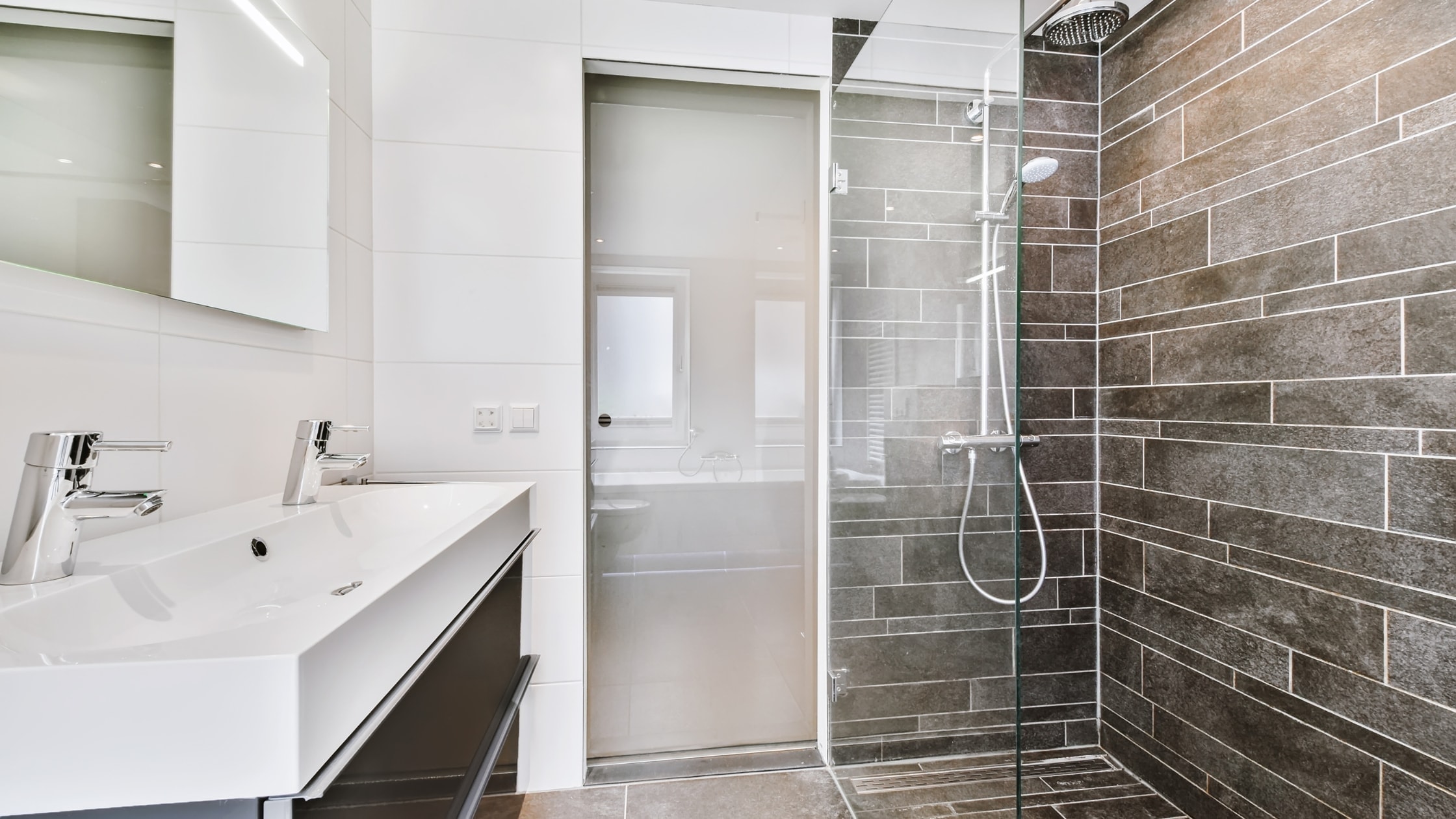
These steps guide tub to shower conversion from planning through completion:
- Schedule professional assessment of bathroom and plumbing
- Select shower design, fixtures, tile, and materials
- Obtain permits and schedule installation timeline
- Remove existing bathtub and surrounding materials
- Modify plumbing for new shower drain and fixtures
- Install waterproof shower pan or floor base
- Apply waterproof membranes to walls and floor
- Install tile on shower walls and floor
- Mount shower fixtures including valve and shower heads
- Apply final grout sealing and clean shower space
Quick tip: One-day installation options exist with specialized systems allowing complete conversions in a single day.
Which Tile Selections Work Best for Small Bathroom Conversions?
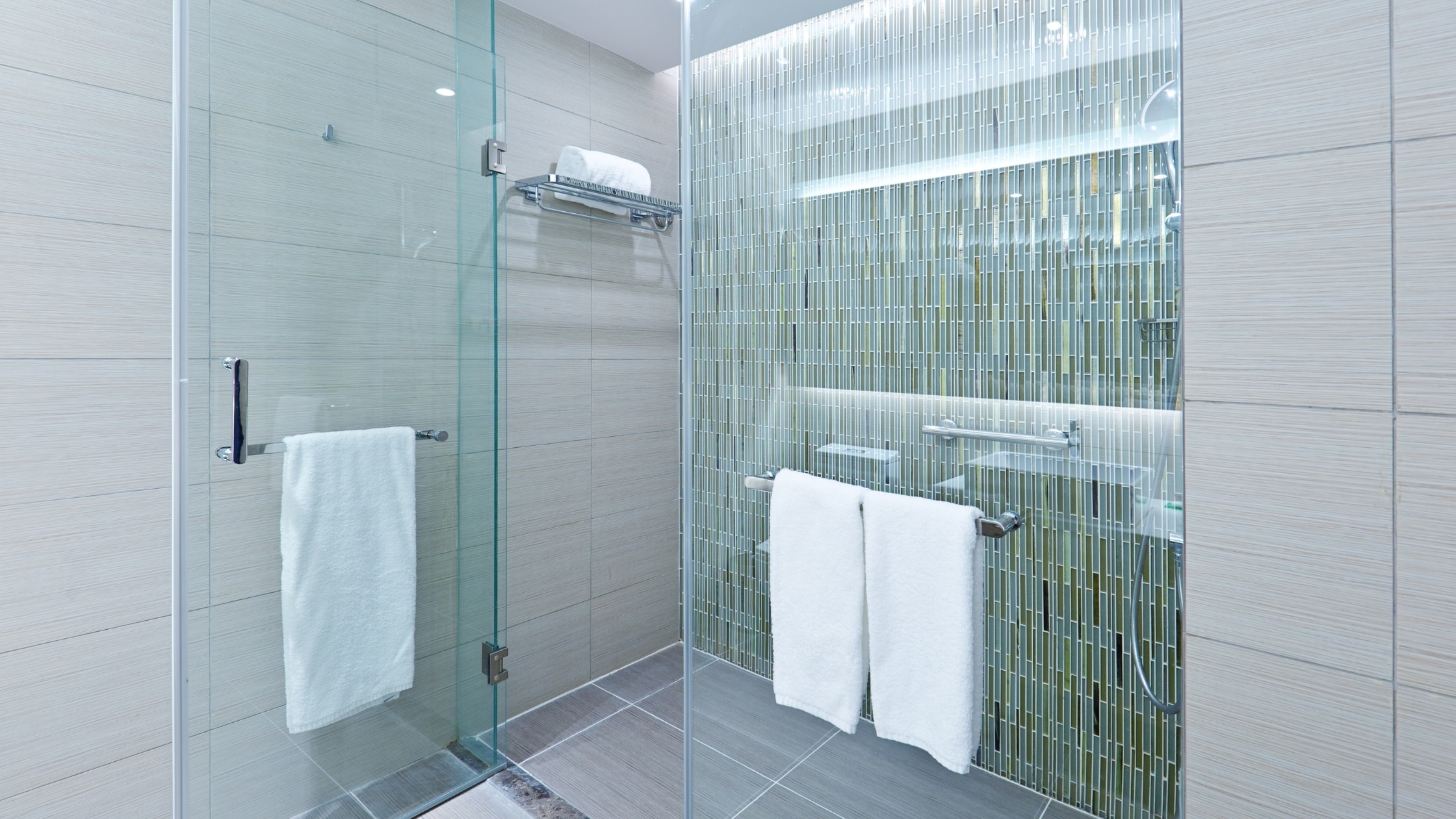
Tile choices impact how your conversion looks and functions. Strategic selections maximize visual appeal while addressing practical needs like maintenance and safety.
Creating Visual Space with Tile
Light-colored tile makes small shower spaces feel larger by reflecting light and creating bright atmospheres. White, cream, and pale gray brighten enclosed spaces while providing versatile backdrops.
Large-format tile reduces grout lines for cleaner appearances. Fewer seams create visual continuity while simplifying maintenance since you have fewer grout lines to clean.
Popular Tile Patterns
Vertical tile installation draws eyes upward, emphasizing ceiling height and creating the illusion of taller spaces. This works well with subway tile and rectangular formats.
Horizontal tile placement makes narrow showers appear wider by drawing the eye across the space. Your choice depends on which dimension needs visual expansion.
Floor Tile Considerations
Slip-resistant floor tile provides critical safety in wet environments. Textured surfaces and small mosaic tile offer excellent traction, and increased grout lines create natural grip that enhances safety.
Matching floor tile throughout the bathroom creates visual continuity that makes the space feel unified and larger. This seamless approach works particularly well in curbless designs.
How Do Lighting and Fixtures Affect Small Bathroom Renovations?
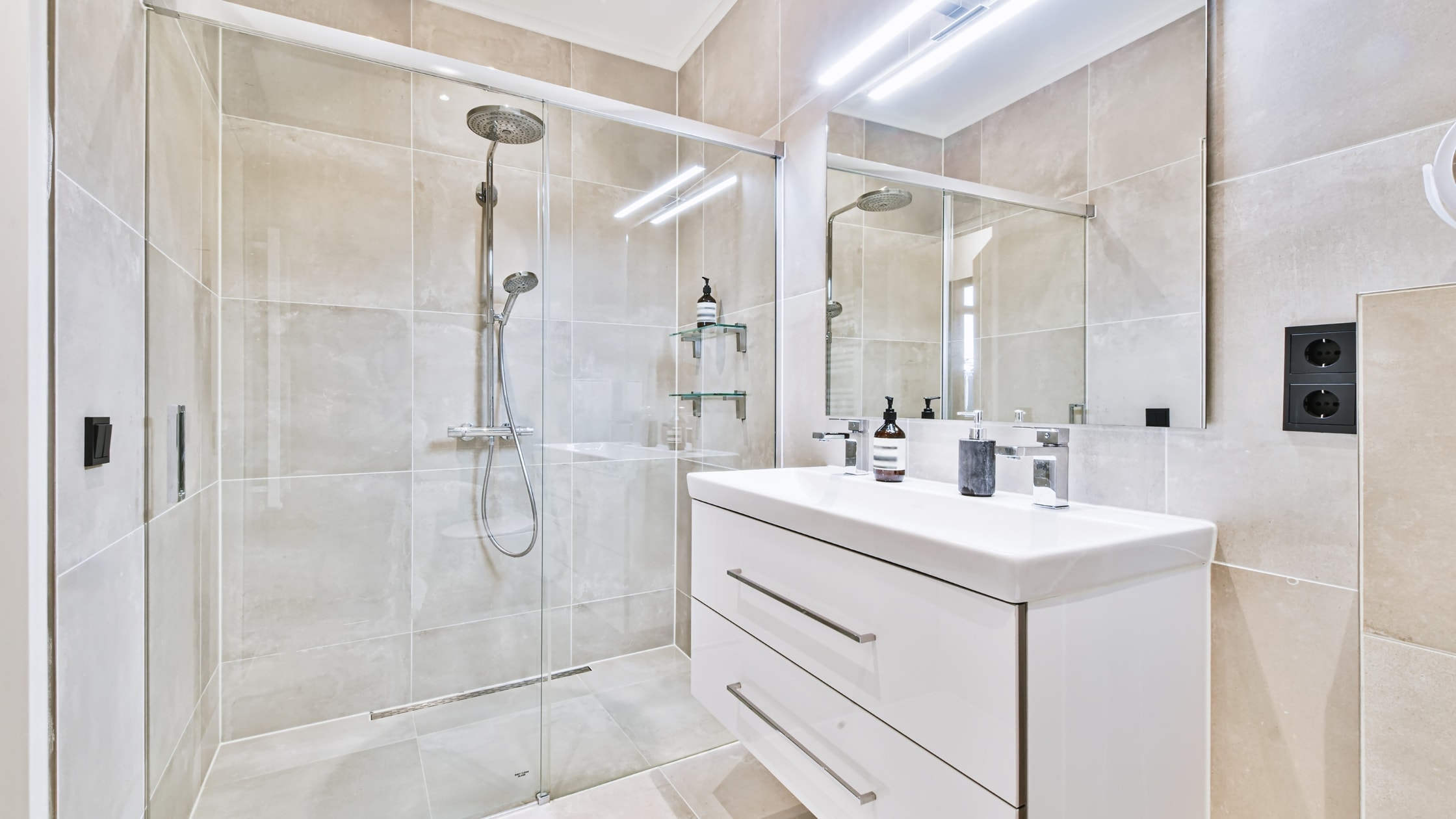
Strategic lighting and fixture selections enhance functionality while improving aesthetics, playing major roles in whether your converted bathroom feels cramped or open.
Lighting Design
Recessed lighting eliminates protruding fixtures that make small bathrooms feel crowded. The flush-mount approach provides illumination without consuming headspace. Multiple recessed lights eliminate shadows while maintaining clean ceiling lines.
Task lighting near mirrors ensures proper grooming visibility. Wall-mounted fixtures flanking mirrors deliver even illumination, creating both functional and attractive environments.
Fixture Selection for Small Spaces
Wall-mounted fixtures preserve floor space by eliminating footprints that traditional fixtures require. Floating vanities and wall-hung toilets expose more floor, creating the effect of making rooms feel larger while simplifying cleaning.
Low-flow shower heads reduce water consumption without sacrificing spray performance. The efficient fixtures lower utility costs over time while reducing environmental impact.
What Bathroom Remodel Considerations Matter Most?
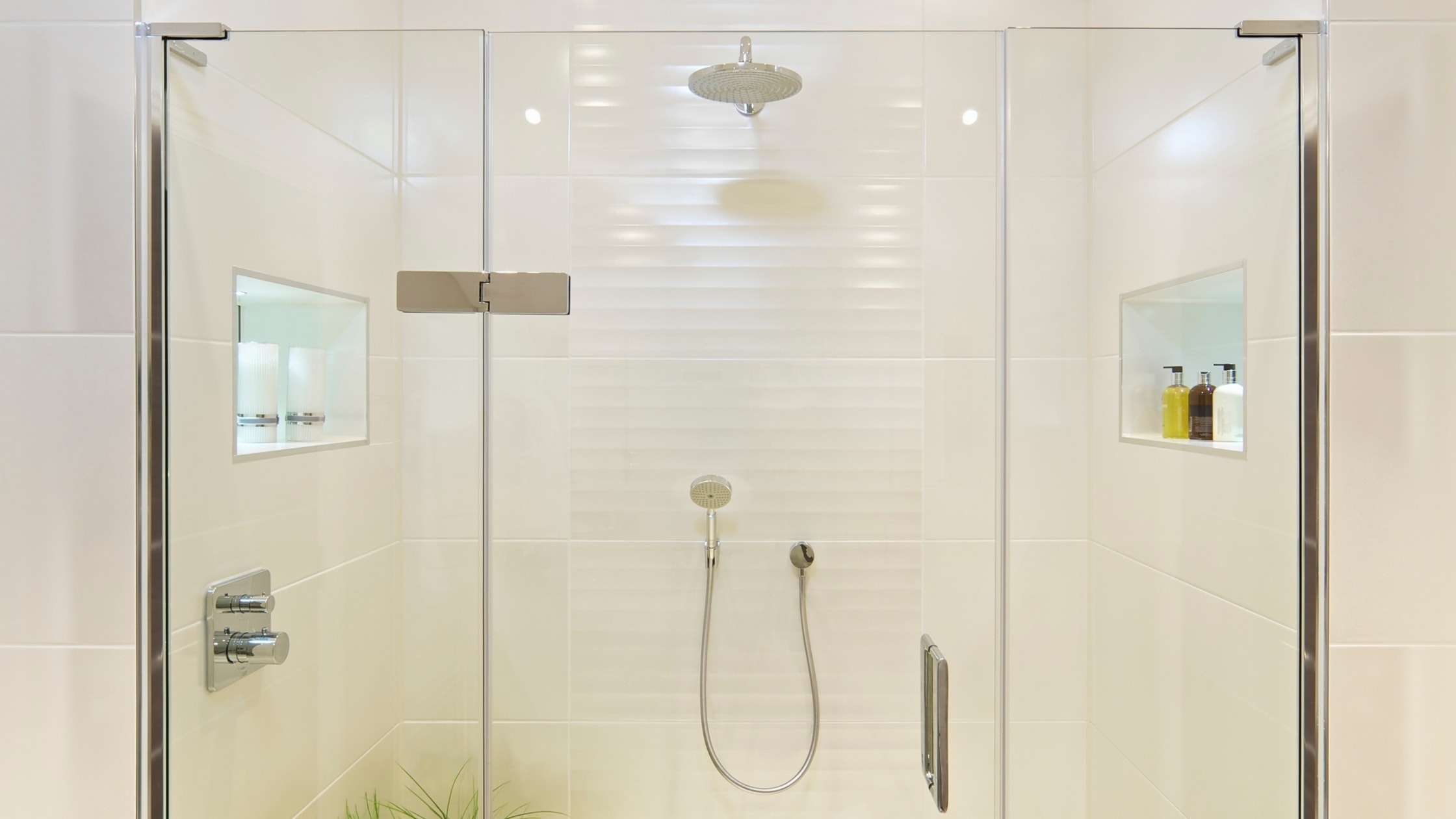
Several factors influence shower conversion success beyond basic design and materials.
Ventilation Requirements
Adequate ventilation prevents moisture damage in converted bathrooms. Exhaust fans remove humid air before condensation forms on surfaces where it promotes mold. Fan capacity should match bathroom size for effective moisture removal.
Proper ventilation becomes critical in shower conversions. The system needs to run during and after showering to eliminate excess humidity.
Accessibility Features
Grab bars and built-in seating enhance shower safety for all users. These features support aging in place as mobility changes, but also accommodate family members with injuries or disabilities. Modern grab bar designs look sophisticated when planned from the beginning.
Comparing walk-in showers versus bathtubs helps determine which option better serves your household needs. Walk-in showers excel in accessibility and space efficiency for families who primarily shower.
Key Shower Conversion Planning Factors
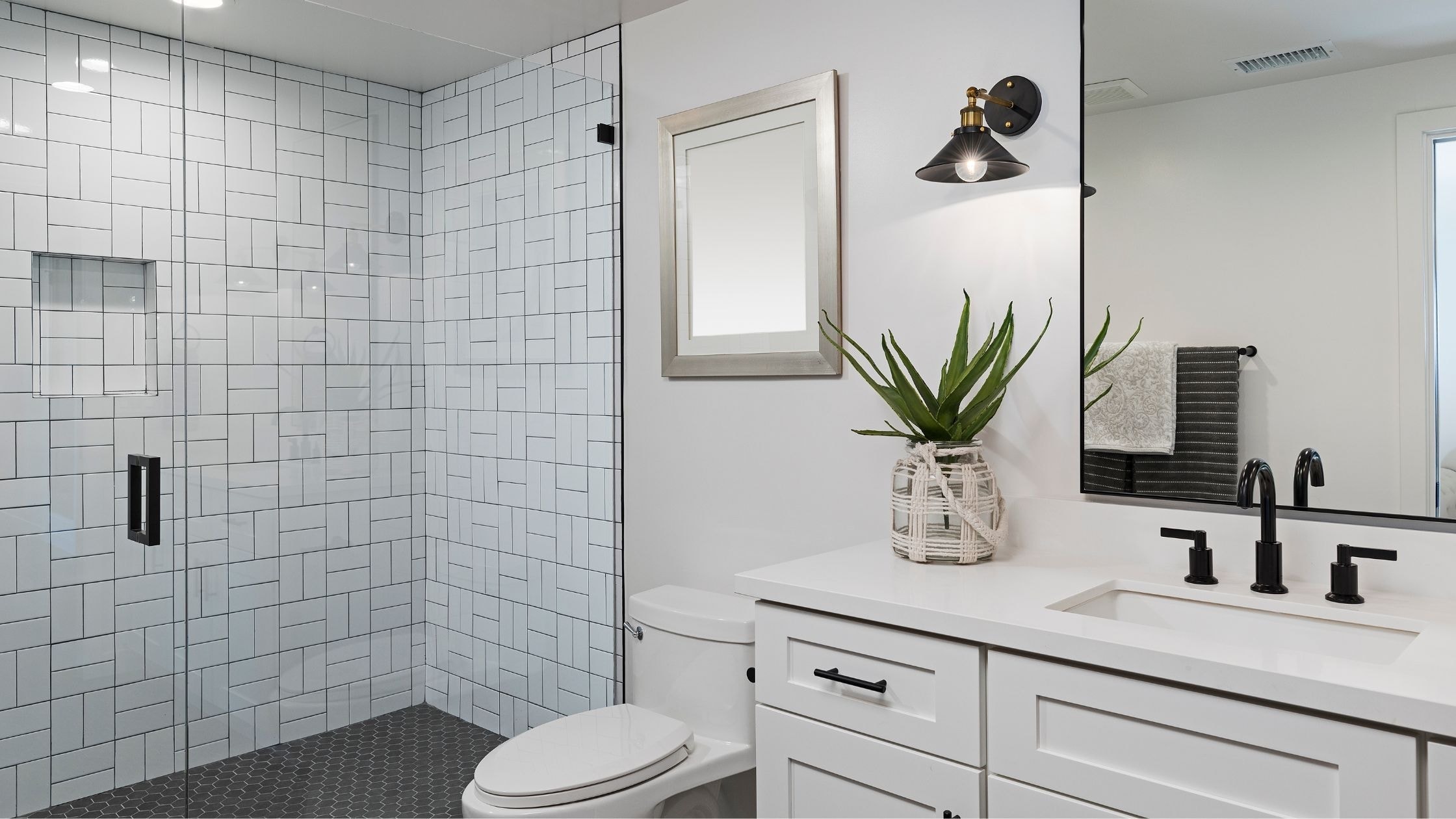
Multiple considerations guide successful tub to shower conversion projects:
- Current plumbing locations and required modifications
- Bathroom floor structure and drainage requirements
- Storage needs for bath products and accessories
- Lighting placement for task and ambient illumination
- Ventilation capacity appropriate for bathroom size
- Accessibility features supporting all family members
- Tile selections balancing aesthetics with slip resistance
- Budget parameters including materials and installation
Frequently Asked Questions About Small Bathroom Shower Conversion
How much does a tub to shower conversion cost?
Costs vary based on materials, size, and complexity. Basic conversions with standard fixtures cost less than custom tile with premium finishes. Plumbing modifications add expenses. Contractors provide detailed estimates after assessing your bathroom.
Can you convert a bathtub to a walk-in shower in one day?
One-day conversions are possible using specialized systems with acrylic panels that install over existing surfaces, dramatically reducing time. Traditional tile conversions require five to seven days with curing time.
Will a shower conversion reduce my home value?
Conversions typically maintain or increase value when other bathtubs exist. Homes with one bathroom benefit from retaining tub functionality, but multiple-bathroom homes can confidently convert secondary bathrooms. Modern appearances appeal to buyers who prefer showers.
What shower size works best in small new bathrooms?
Minimum dimensions measure 32 by 32 inches, though 36 by 36 inches provides more space. Corner configurations maximize efficiency. Custom bases fit irregular spaces.
Do I need a permit for tub to shower conversion?
Most conversions require permits since work involves plumbing modifications. Contractors typically handle permit applications and inspections, ensuring work meets codes.
How long does shower conversion take?
Traditional tile conversions require five to seven days including demolition, waterproofing, and installation. Grout needs curing time. Prefabricated systems install faster in one to three days.
Can shower conversion improve bathroom accessibility?
Conversions dramatically improve accessibility by eliminating high bathtub walls. Curbless showers provide wheelchair access while reducing fall risks. Built-in seating and grab bars enhance safety further, supporting aging in place.
Creating Your Ideal Small Bathroom Shower
Small bathroom shower conversion transforms cramped spaces into functional, stylish bathrooms. These projects maximize limited square footage through smart design choices and strategic fixture placement. Throughout Connecticut, homeowners discover that thoughtfully planned tub to shower conversions deliver impressive results without expensive expansions. Professional installation ensures proper waterproofing, drainage, and code compliance.