
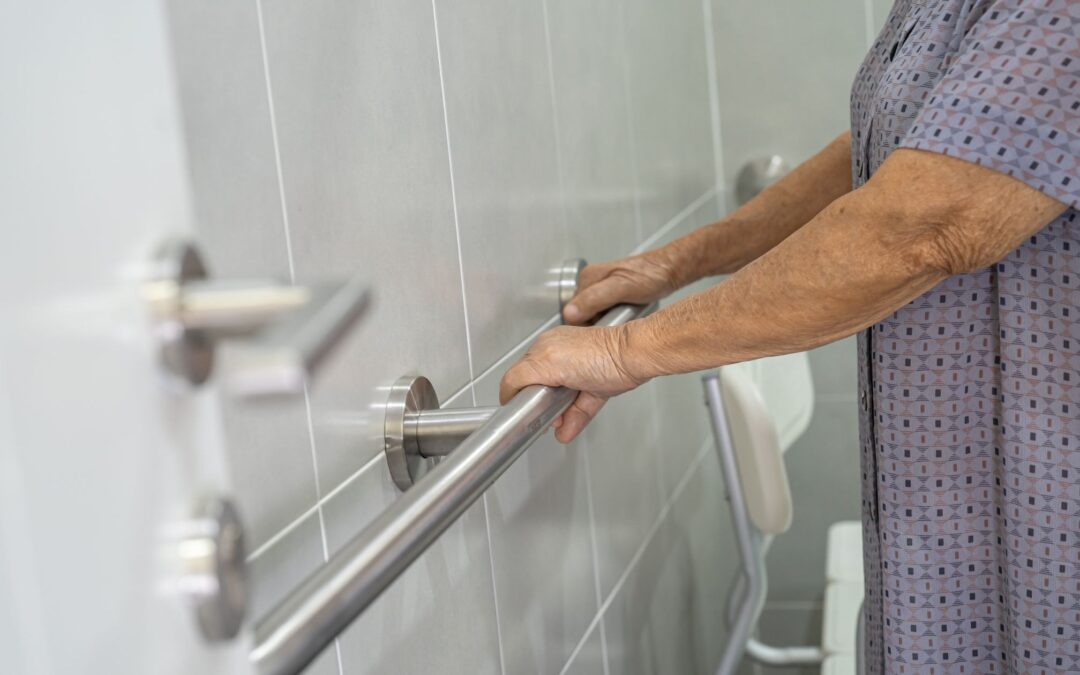
An accessible shower conversion transforms your existing bathtub into a safer, more functional space designed for people with mobility issues. This upgrade eliminates the high threshold of traditional bathtubs and creates easy access for everyone in your home. The result is a bathroom that provides dignity, independence, and peace of mind for your loved ones.
Many homeowners delay making bathroom safety improvements until after an accident occurs. This approach puts family members at risk and can lead to serious injury. A tub to shower conversion addresses these concerns before they become emergencies while creating a modern bathroom with style that works for all abilities.
The complete transformation process takes less time than most people expect. New Wave Home specializes in efficient bathroom remodels with one-day installation options that minimize disruption to your daily routine. This affordable solution delivers immediate benefits without the inconvenience of lengthy construction projects.
Your home should meet the needs of everyone who lives there. Converting your bath from a traditional tub to an accessible shower represents an investment in safety, comfort, and functionality that serves your family for years to come.
What Makes a Tub to Shower Conversion Accessible?
An accessible tub to shower conversion includes specific design elements that address mobility challenges and reduce fall risks. The foundation starts with a low or zero-threshold entry that eliminates the need to step over a high barrier. This feature alone prevents countless accidents and makes the shower usable for wheelchair users and people with limited mobility.
The shower floor requires slip-resistant materials that provide traction even when wet. Textured acrylic surfaces or specialized tiles create a safe foundation that reduces the risk of slips and falls. These materials also resist mold and maintain their grip over years of use.
Proper space planning ensures adequate room for movement and assistance if needed. A functional accessible shower provides enough area for a person to maneuver safely or for a caregiver to provide support. This consideration becomes essential for families planning for aging in place.
Quick tip: Measure your bathroom space before starting a shower conversion project to ensure the new design accommodates mobility devices and provides comfortable turning radius.
Why Choose a Tub to Shower Conversion for Safety?
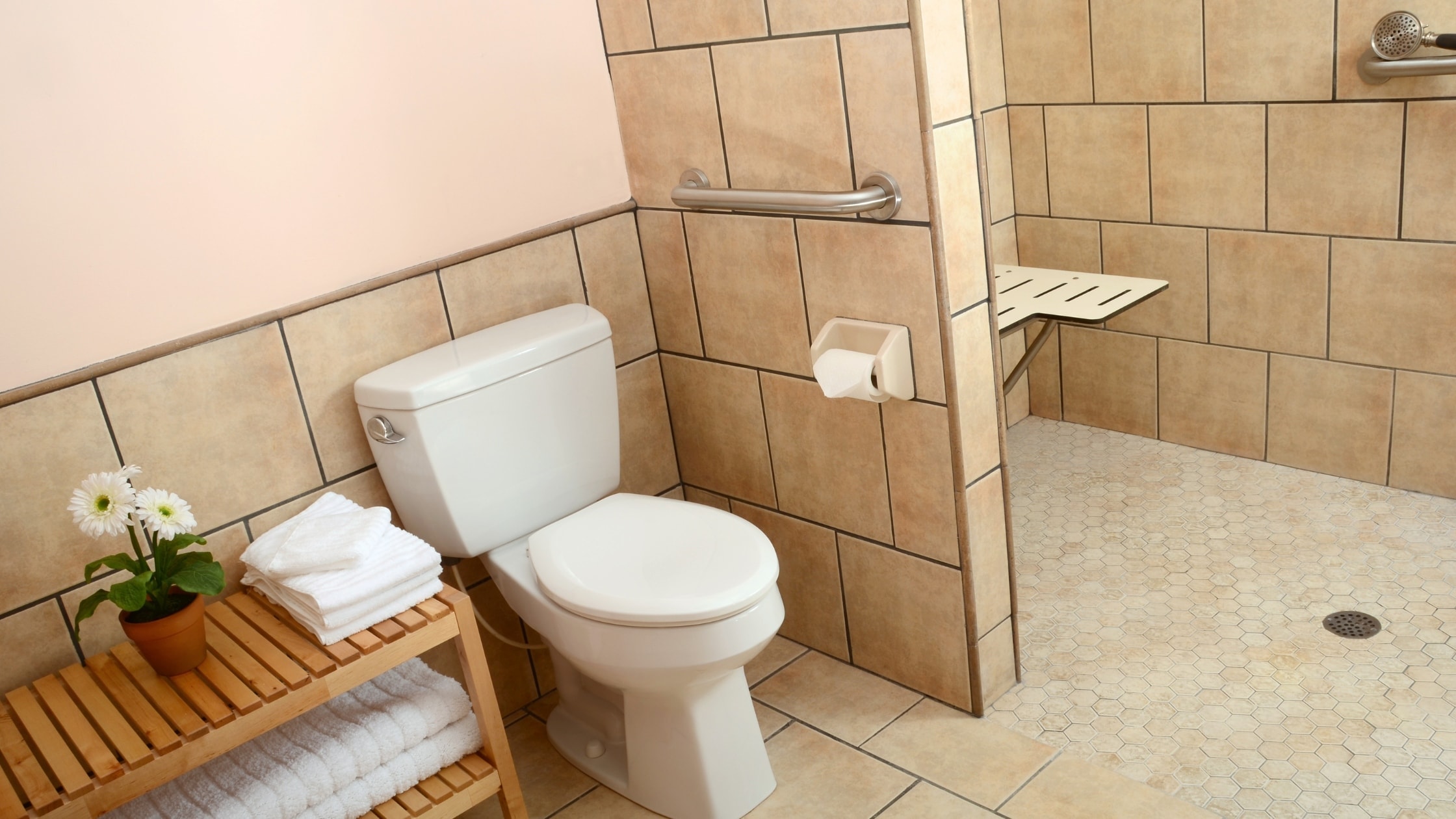
Traditional bathtubs create dangerous barriers that increase injury risk for anyone with balance concerns. The high wall requires a large step that becomes increasingly difficult with age or physical limitations. Each time someone climbs over this threshold, they face potential danger.
Bathroom falls represent one of the most common sources of serious injury for seniors. According to the Centers for Disease Control and Prevention, falls cause millions of injuries annually, with bathrooms ranking as high-risk areas. A shower conversion directly addresses this problem by removing the primary obstacle.
The benefits extend beyond fall prevention. An accessible shower installation restores independence for people who struggle with traditional bathtubs. This dignity matters tremendously to individuals who want to maintain their autonomy and privacy during daily routines.
Your family gains peace of mind knowing their loved ones can bathe safely without assistance. This emotional benefit often proves as valuable as the physical safety improvements. The conversion eliminates constant worry about bathroom accidents and creates a space where everyone feels secure.
How Does an Accessible Shower Conversion Improve Bathroom Safety?
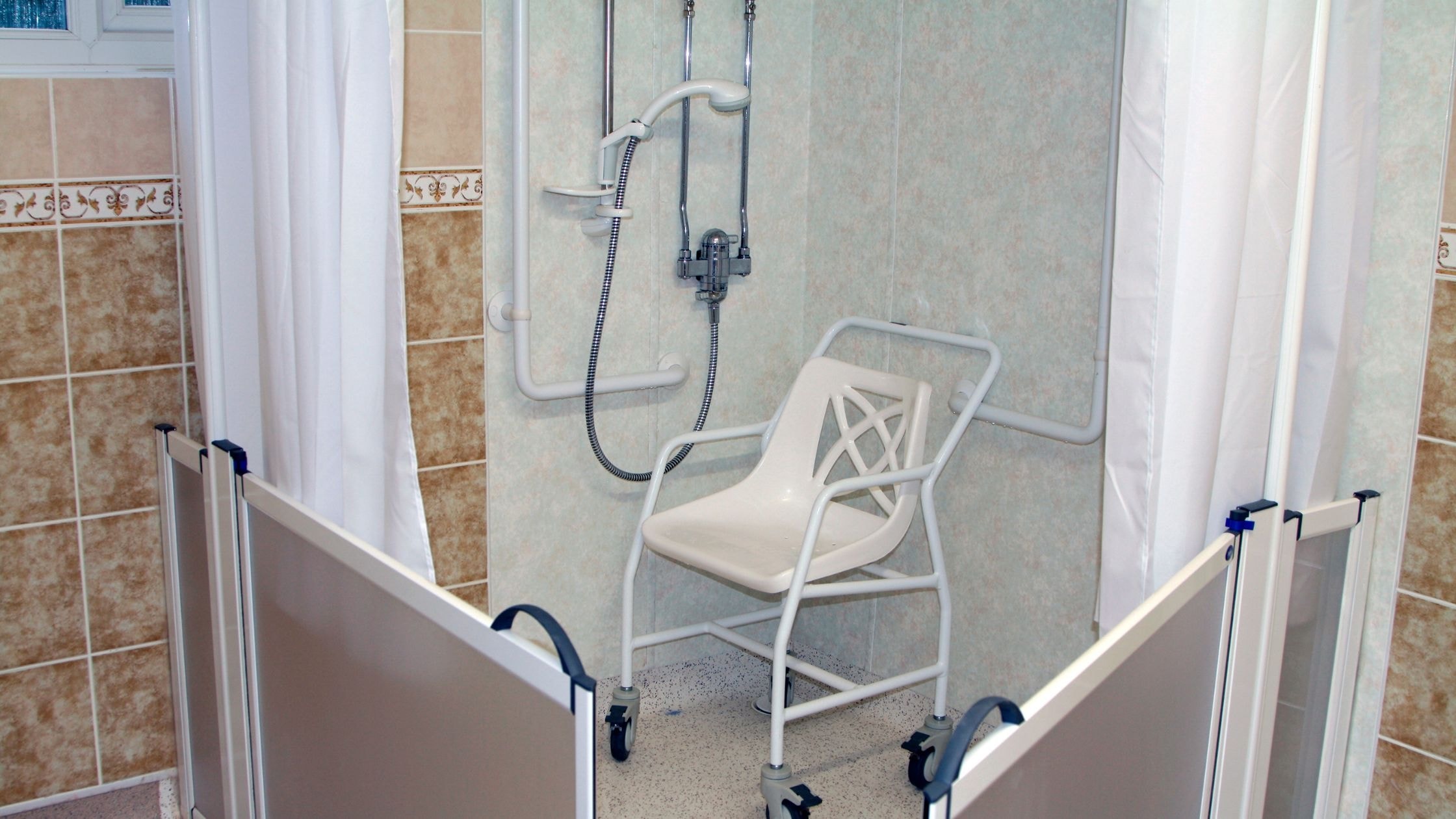
Converting your existing tub into an accessible shower introduces multiple safety features that work together to create a secure bathing environment. The transformation begins with eliminating the high entry point that causes most bathroom falls. This single change dramatically reduces risk for anyone entering or exiting the shower.
Grab bars become integral components of the new design rather than afterthoughts. Professional installation places these bars at optimal heights and locations based on how people actually move through the shower space. Strategic placement provides support exactly where users need it most.
The shower floor design incorporates proper drainage and slip-resistant surfaces that prevent water accumulation. A well-designed drain system moves water away quickly while the textured floor maintains grip. These elements combine to create a surface that stays safe throughout the entire shower experience.
Built-in seating options allow people to shower while seated, which reduces fatigue and eliminates the need to stand on potentially slippery surfaces. This feature proves valuable for anyone recovering from surgery, managing chronic conditions, or simply wanting extra comfort during their shower routine.
Did you know? Properly installed grab bars can support up to 250 pounds when mounted to wall studs, providing reliable stability for users who need additional support.
Which Safety Features Should You Include in Your Shower Conversion?
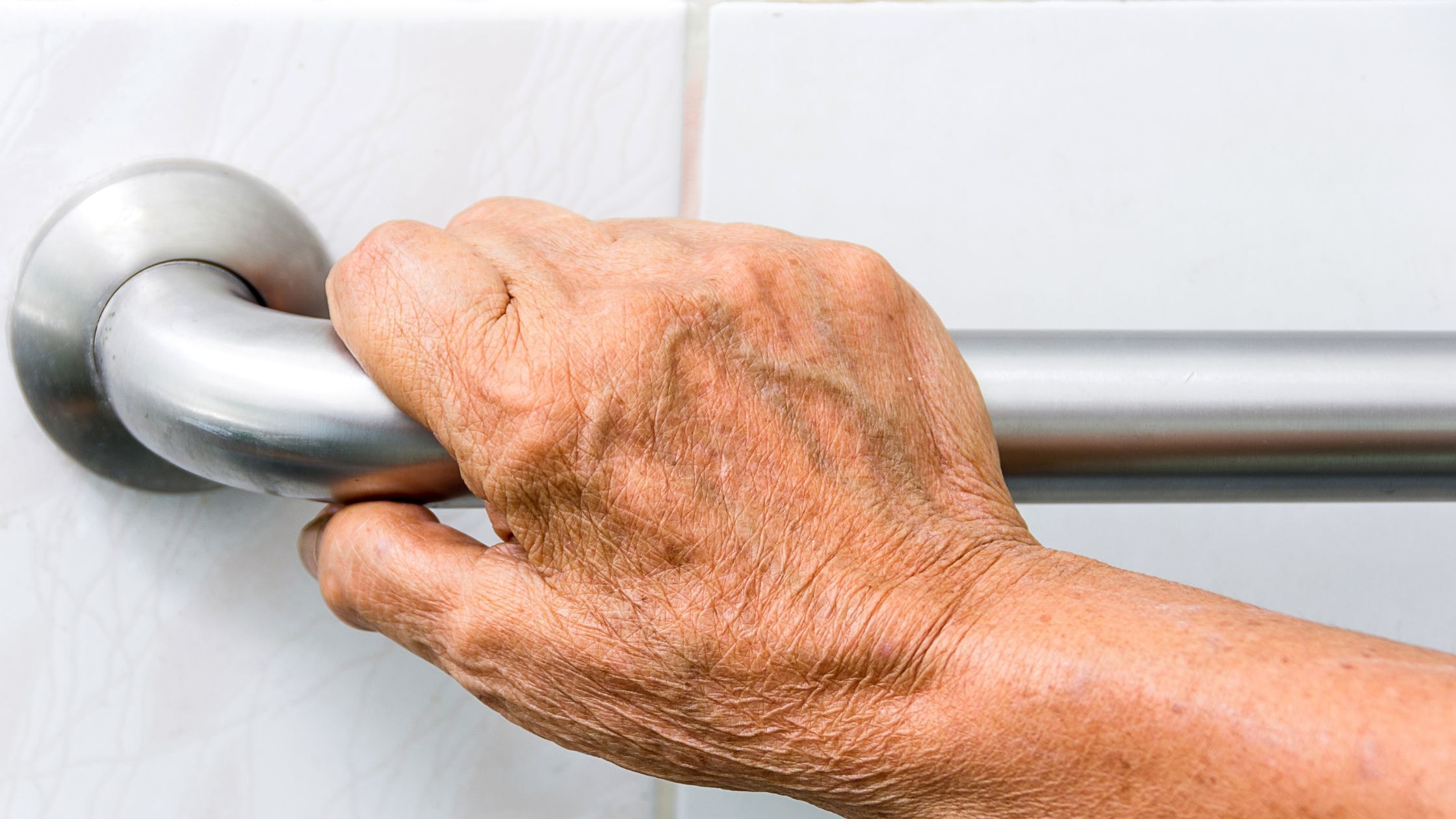
Grab bars rank as the most important safety accessories for any accessible shower. These bars should be installed at the entry point, along the walls, and near the controls. Multiple grab bars provide options for different movements and ensure support remains within reach throughout the shower.
A handheld showerhead offers flexibility that benefits everyone but becomes essential for people with mobility issues. Users can direct water exactly where needed without awkward stretching or turning. This convenience feature also helps caregivers assist your family more effectively.
Temperature control valves prevent scalding by maintaining consistent water temperature. These valves protect vulnerable individuals from sudden temperature changes that could cause burns. The technology works automatically without requiring user intervention.
Non-slip flooring must cover the entire shower floor to eliminate dangerous wet spots. The material should provide texture without creating an uncomfortable surface. Quality slip-resistant floors maintain their effectiveness through years of daily use.
Built-in shower seats or fold-down benches create resting spots that reduce strain and improve safety. These seats should be positioned at a comfortable height with adequate support. Some designs fold against the wall when not needed, maximizing space.
What Are the Cost Considerations for an Accessible Shower Conversion?

The cost of a tub to shower conversion varies based on the features you select and the complexity of your bathroom layout. Basic conversions that replace a tub with a walk-in shower start at a manageable investment. Adding specialized accessibility features increases the project cost but delivers proportional safety benefits.
Your existing tub removal forms part of the overall expense. Professional teams complete this work carefully to protect surrounding bath surfaces. The removal process takes less time than most homeowners expect when handled by experienced installers.
Premium features like custom grab bars, built-in seating, and advanced slip-resistant materials add to the total investment. These upgrades provide long-term value through enhanced safety and reduced injury risk. Many families view these features as essential rather than optional.
New Wave Home offers a free consultation to assess your bath and provide accurate project estimates. This consultation identifies your specific needs and creates a customized plan that fits your space and budget. The transparency helps families make informed decisions about their bathroom safety upgrades.
Quick tip: Research available grants and tax credits for accessibility modifications, as many programs offer financial assistance for safety-focused home improvements.
How Long Does a Tub to Shower Conversion Take to Install?
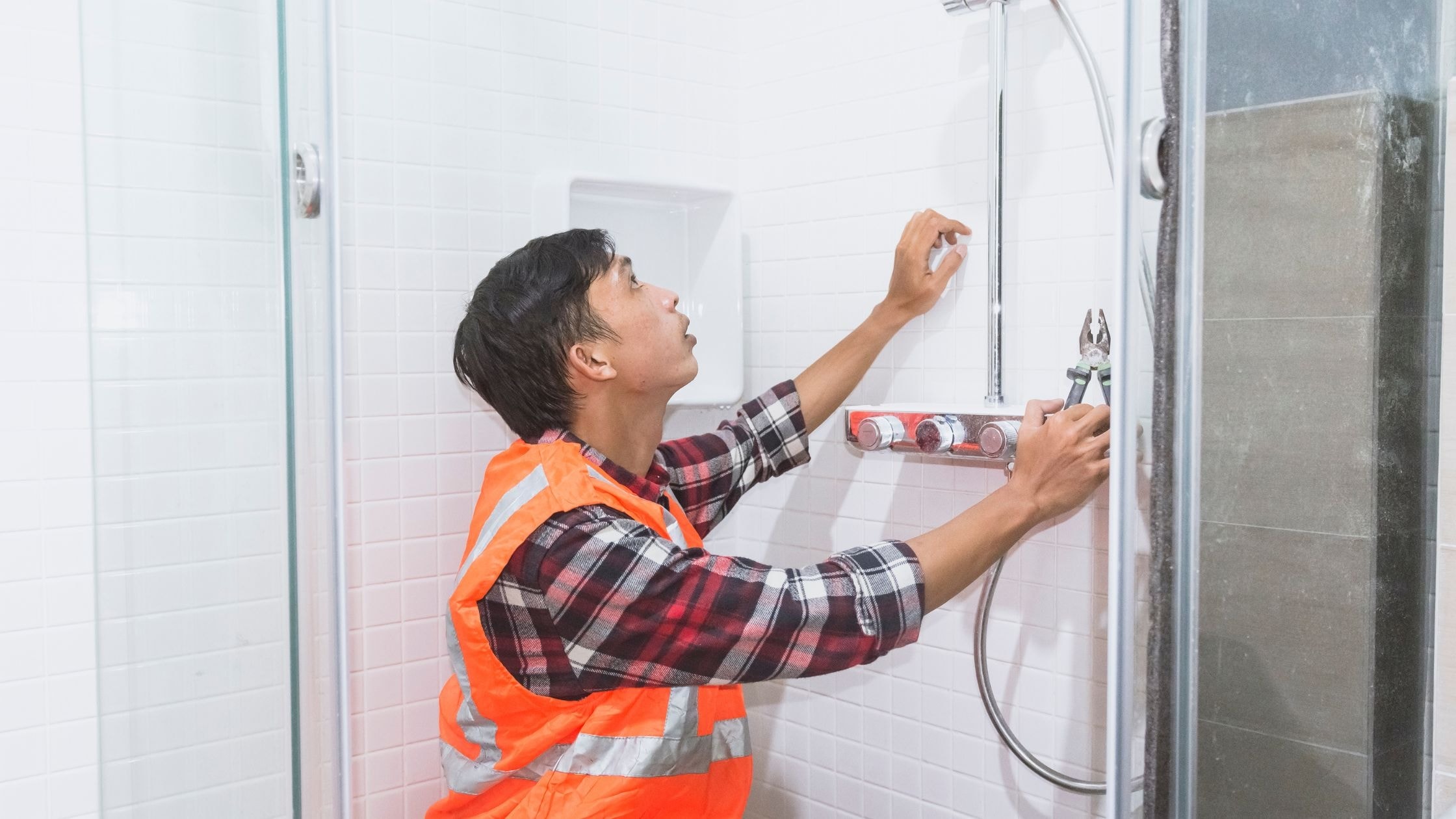
Professional shower conversion installations can be completed in a single day when handled by experienced teams. This quick timeline minimizes disruption to your household routine and restores bath functionality rapidly. The one-day installation capability represents a major advantage over traditional bathroom remodels that can take weeks.
The installation process begins with removing your existing tub and preparing the space for the new shower. Proper preparation ensures the shower fits correctly and functions as designed. Experienced installers identify and address potential issues before they affect the final result.
Plumbing adjustments connect the new shower to your home’s water supply and drain system. These modifications must meet local building codes and guidelines to ensure safe, reliable operation. Professional installers handle all necessary plumbing work as part of the conversion project.
The final steps involve installing safety accessories like grab bars and completing finishing touches. Attention to detail during this phase ensures every component is properly secured and positioned. The completed installation should pass a thorough inspection before the customer considers the project finished.
Some bathroom layouts require additional preparation that can extend the timeline. Structural modifications or significant plumbing relocations may need extra time. Your installation team will provide a realistic schedule based on your specific bathroom configuration.
What Types of Mobility Issues Does an Accessible Shower Address?
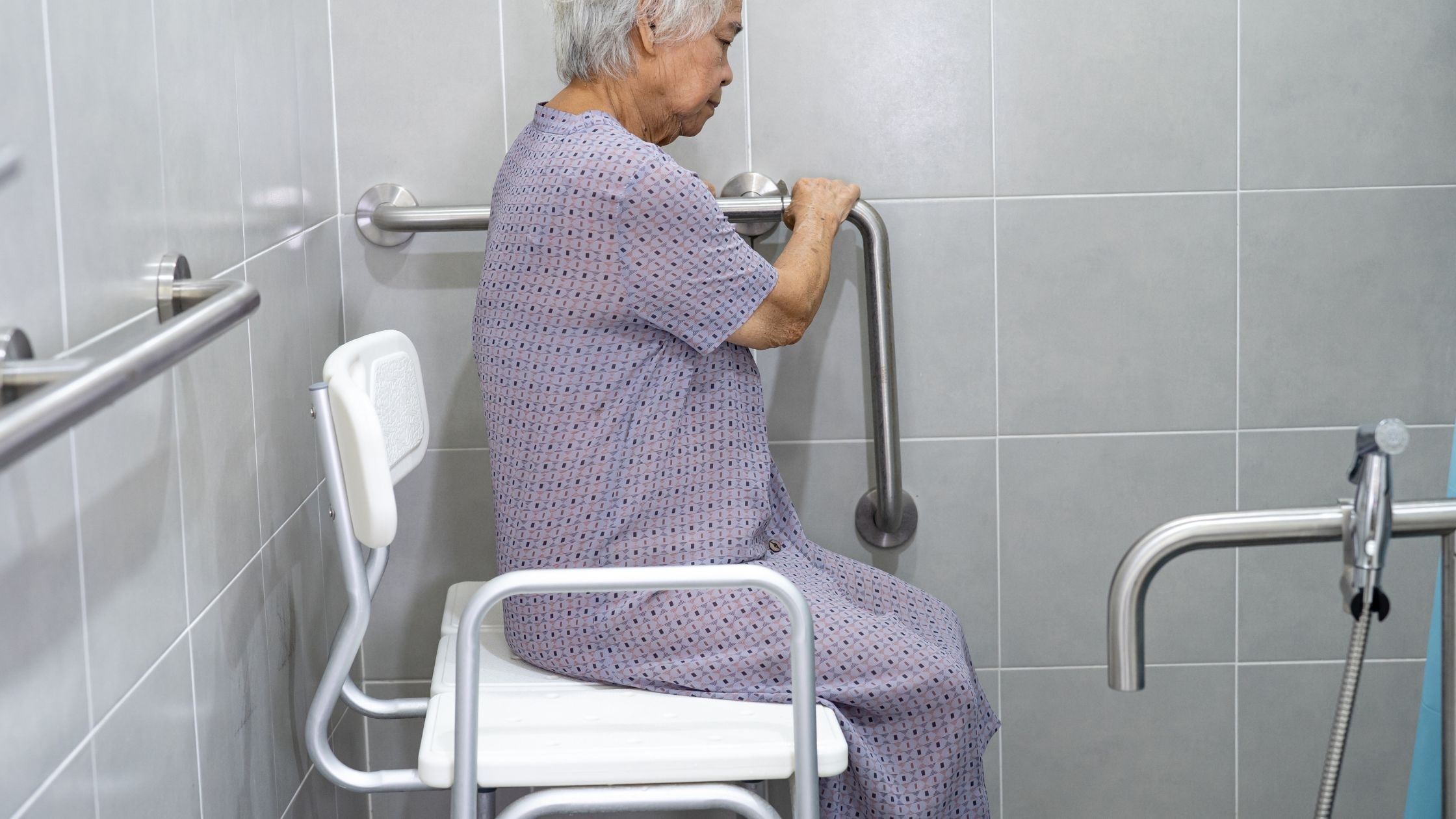
An accessible shower conversion benefits people recovering from surgery or managing temporary mobility restrictions. The easy access design allows these individuals to maintain personal hygiene independently during their recovery period. This independence supports faster healing and better emotional wellbeing.
Chronic conditions that affect balance or strength make traditional bathtubs dangerous obstacles. Arthritis, Parkinson’s disease, multiple sclerosis, and similar conditions create challenges when navigating high tub walls. A walk-in shower eliminates these barriers and restores safe bathing access.
Wheelchair users gain the ability to transfer into the shower more easily with a zero-threshold design. The level entry removes the primary obstacle preventing wheelchair access. Adequate space inside the shower allows for positioning and movement.
Age-related changes in strength, flexibility, and balance affect nearly everyone eventually. An accessible shower design anticipates these changes and creates a bathroom that remains functional as your needs evolve. This forward-thinking approach prevents future safety concerns.
Vision impairments create additional bathroom hazards that accessible design can address. Clear layouts, consistent placement of controls, and proper lighting support safe navigation. These considerations help people with limited vision use the shower confidently.
How Do You Choose Between Different Accessible Shower Conversion Options?
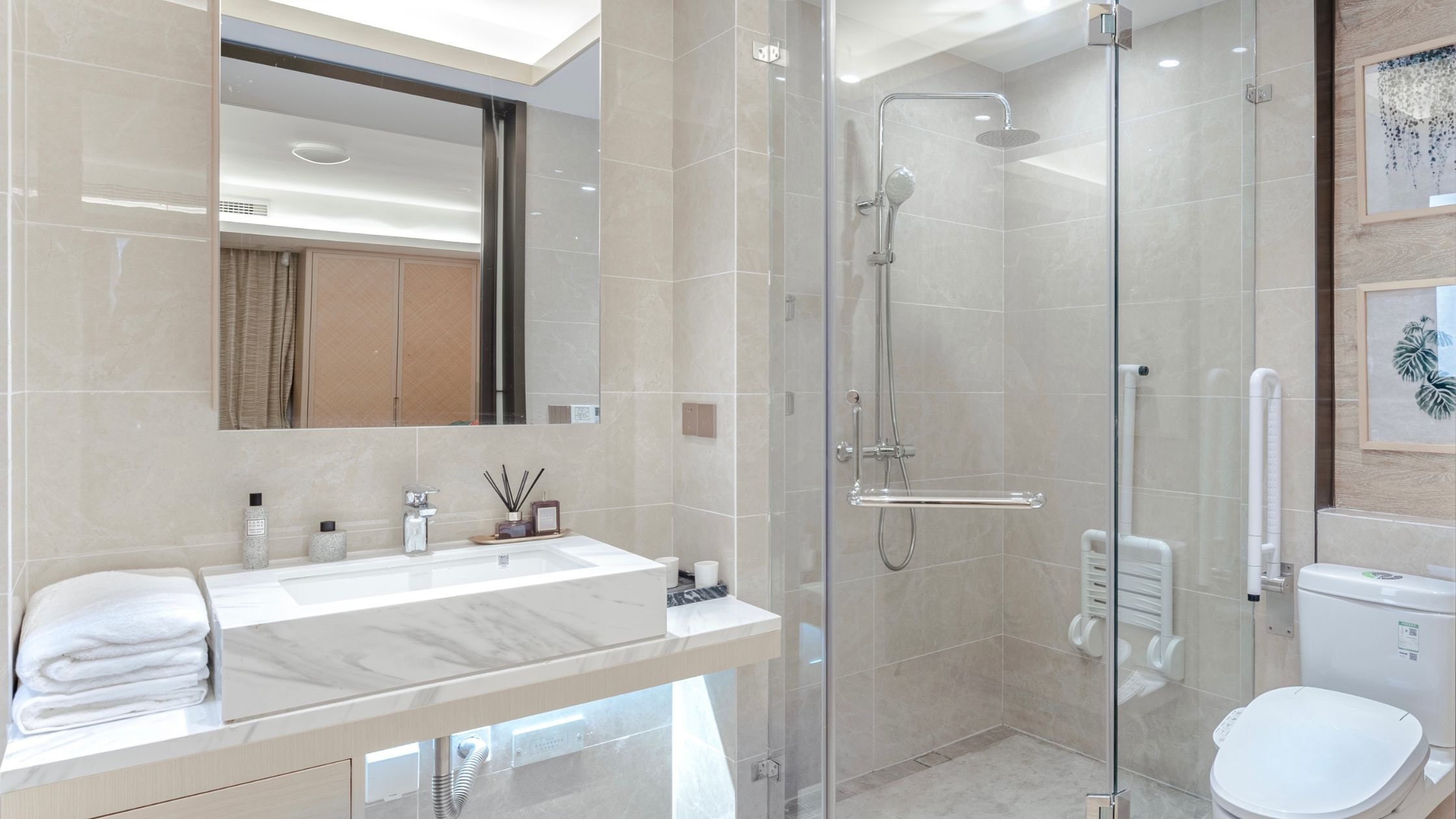
Your bathroom space determines which shower conversion options will fit and function properly. Measure the available area carefully and consider how different configurations use that space. A cramped shower provides little benefit even with safety features installed.
The primary user’s specific needs should guide your feature selection. Someone who uses a wheelchair requires different accommodations than someone with mild balance concerns. Honest assessment of current and anticipated needs helps you make appropriate choices.
Material quality affects both safety and longevity. Durable acrylic surfaces resist damage and maintain their appearance through years of use. Cheaper materials may save money initially but require replacement sooner and provide less reliable features.
Professional installation guarantees proper setup and function of all safety components. Experienced installers understand how different elements work together to create a safe environment. Their expertise prevents common mistakes that could compromise safety or functionality.
Review examples of completed installations to see how different design choices look in real bathrooms. Photos and customer testimonials provide insight into what works well. New Wave Home can share examples from similar projects to help you visualize the final result.
For more detailed information about the conversion process, including timeline and what to expect, see The Complete Guide to Tub-to-Shower Conversions.
What Common Mistakes Should You Avoid During a Shower Conversion?
Inadequate grab bar placement represents one of the most frequent installation errors. Bars positioned at the wrong height or in awkward locations fail to provide useful support. Professional installers use proven placement guidelines to ensure maximum benefit.
Selecting the wrong flooring material can create new safety hazards. Smooth surfaces become dangerously slippery when wet, defeating the purpose of the conversion. Always choose materials specifically designed for wet environments with proven slip resistance.
Overlooking drainage requirements leads to standing water that creates slip risks and maintenance problems. Proper floor slope and drain capacity must work together to move water efficiently. Poor drainage also accelerates wear on flooring materials.
Failing to plan for future needs shortchanges the long-term value of your investment. A conversion designed only for current circumstances may require expensive modifications later. Consider how your needs might change over the next decade.
Attempting DIY installation of critical features compromises their reliability. Grab bars must be anchored properly to support user weight safely. Improper installation can result in failure when the bars are needed most.
Learn more about avoiding these and other issues in Common Mistakes to Avoid in a Tub-to-Shower Conversion.
Which Safety Accessories Enhance an Accessible Shower?
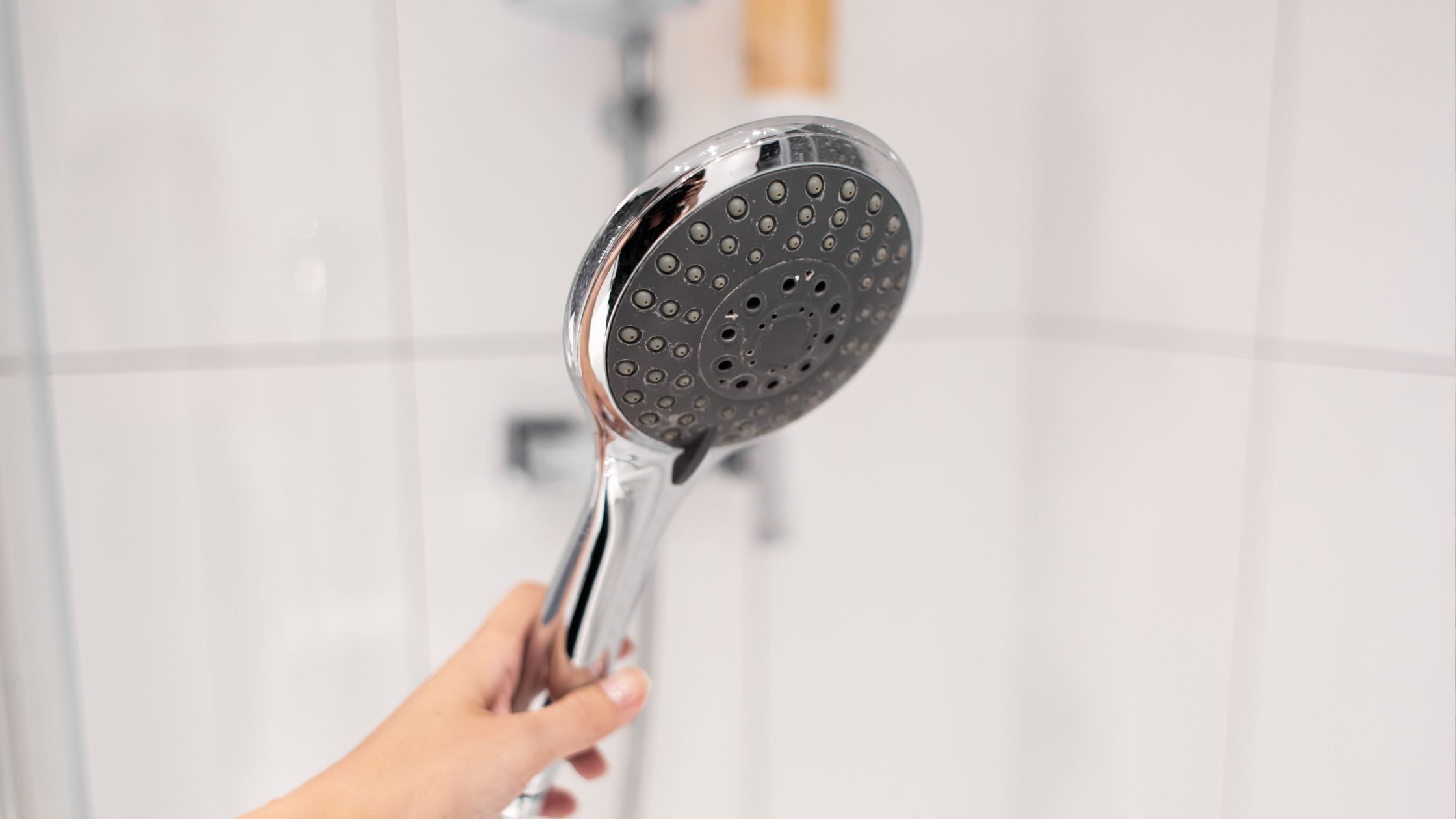
Grab bars in multiple locations provide support for different movements throughout the shower. Vertical bars near the entrance assist with entry and exit. Horizontal bars along walls offer stability while showering. Angled bars combine benefits of both orientations.
Handheld showerheads with adjustable mounts allow users to control water placement without difficult reaching or stretching. The flexibility benefits people with mobility issues and makes the shower easier to clean. Quality models include easy-grip handles and simple controls.
Shower seats or benches create resting points that reduce fatigue and improve stability. Freestanding seats can be repositioned as needed. Mounted or fold-down seats provide permanent solutions that don’t clutter the shower floor. Both options support safer, more comfortable bathing.
Anti-scald valves protect users from dangerous temperature fluctuations. These safety devices maintain consistent water temperature even when other fixtures in the home are used. The protection proves particularly valuable for seniors and people with reduced sensation.
Adequate lighting prevents accidents caused by poor visibility. Bright, even illumination helps users see potential hazards and navigate safely. Consider installing dimmer switches to adjust lighting levels for different needs and times of day.
For comprehensive information about enhancing your shower’s safety, visit Safety Features to Add During a Tub-to-Shower Conversion.
Did you know? Installing a shower seat at 17-19 inches high creates the most comfortable and safe seating position for most adults.
How Does Accessible Design Benefit Your Entire Family?
Young children find accessible showers easier to use than traditional bathtubs with high walls. Parents can supervise and assist more effectively in an open shower layout. The design grows with your family as children become more independent.
Temporary injuries or medical conditions affect most people at some point. A broken leg, sprained ankle, or recovery from surgery becomes manageable when your bathroom already includes accessibility features. The investment pays off during unexpected situations.
Guests with mobility concerns feel more comfortable visiting when your home includes accessible facilities. This hospitality matters when hosting aging relatives or friends with disabilities. The welcoming environment demonstrates thoughtfulness and consideration.
Property value increases when homes include accessible design features. Buyers recognize the universal appeal of safe, easy-access bathrooms. The upgrade attracts a broader range of potential purchasers if you eventually sell your home.
Peace of mind for everyone in your household comes from knowing the bathroom supports safe, independent use. This emotional benefit affects daily life in ways that extend beyond simple safety considerations. Families sleep better knowing their loved ones face reduced risk.
What Questions Should You Ask Before Starting Your Shower Conversion?
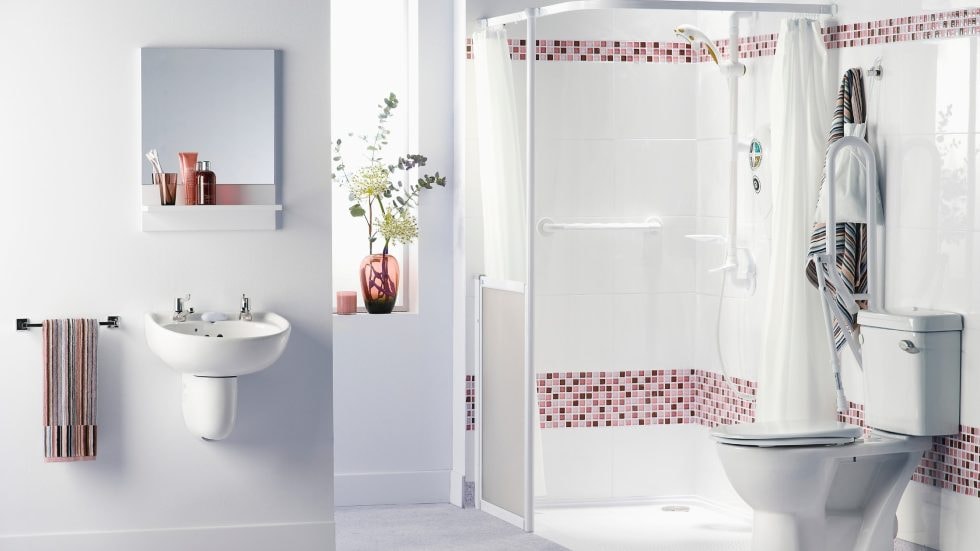
Does your contractor have experience with accessible design and feature installation? Specialized knowledge ensures proper implementation of critical safety elements. Request examples of previous accessibility projects they have completed.
What warranty covers the installation work and materials? Comprehensive warranties protect your investment and demonstrate contractor confidence in their work. Understand what is covered and for how long.
How will the project affect your daily routine? Knowing the installation timeline helps you plan accordingly. Ask about bathroom access during the conversion and what temporary arrangements you might need.
Can the design accommodate future modifications if your needs change? Flexible designs allow for upgrades without major reconstruction. Planning ahead saves money and disruption later.
What maintenance will the new shower require? Understanding care requirements helps you keep the shower functioning safely. Some materials and features need more attention than others.
Frequently Asked Questions About Accessible Shower Conversions
What is the most affordable solution for making a shower accessible?
The most affordable solution is a basic tub to shower conversion with a low-threshold entry and essential grab bars. This approach eliminates the primary fall hazard while adding critical support features. Many families start with this foundation and add accessories as budget allows.
How much space do you need for an accessible shower?
An accessible shower requires a minimum of 36 inches by 36 inches, though 48 inches by 48 inches provides better maneuverability. Wheelchair users benefit from the larger size, which allows easier transfers and turning. Your existing tub footprint often provides adequate space for a functional accessible shower.
Can you convert any bathtub into an accessible shower?
Most bathtubs can be converted into accessible showers with proper planning and professional installation. The surrounding structure must be sound and able to support new fixtures. A consultation with experienced installers will identify any limitations specific to your bath.
Do accessible showers work in small baths?
Accessible showers can be designed for small baths by maximizing the existing tub footprint. Strategic placement of features and careful space planning create functional accessible showers in compact areas. The key is working with professionals who understand how to optimize limited space.
How long does an accessible shower last?
A properly installed accessible shower using quality materials lasts 20-30 years with regular maintenance. Acrylic surfaces resist damage and maintain their appearance longer than many alternatives. The durability makes the conversion a worthwhile long-term investment in your home.
Will an accessible shower conversion affect home resale value?
An accessible shower conversion typically maintains or increases home resale value by appealing to a broader range of buyers. Many purchasers specifically seek homes with accessibility features. The upgrade demonstrates that your home has been well-maintained and updated thoughtfully.
What safety features are most important in an accessible shower?
The most important features are grab bars, slip-resistant flooring, and easy access entry. These three elements address the primary causes of bath falls and injuries. Additional features like shower seats and handheld showerheads enhance safety and convenience further.
Creating a Safe Bath Environment Through Accessible Design
Bath safety improvements protect everyone who uses your home. An accessible shower conversion addresses immediate concerns while preparing your space for future needs. The investment delivers benefits that multiply over time as the safe design serves your family year after year.
New Wave Home brings specialized expertise in bath remodels focused on accessibility and safety. Their efficient installation process minimizes disruption while delivering professional results. Contact their team for a free consultation to discuss how an accessible shower conversion can transform your bath into a safer, more functional space that serves your family with dignity and independence.