
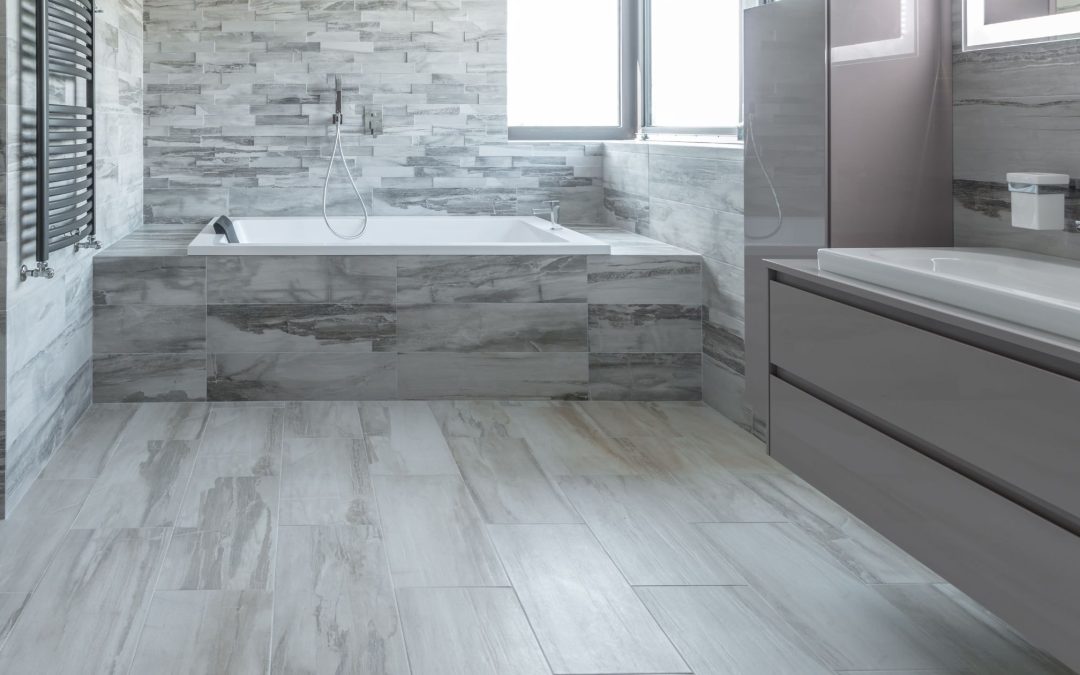
The bathtub vs walk in shower debate depends on your daily habits, household needs, and bathroom space availability. Walk-in showers offer quick, efficient bathing and easier accessibility, while bathtubs provide relaxation and practical benefits for families with small children, so your choice should reflect how you use your bathroom most often.
Many homeowners struggle with this decision during bathroom renovation projects because the fixture you choose affects your daily routine, home value, and long-term satisfaction with your space. Making the wrong choice can lead to regret and expensive corrections later, which is why understanding the practical differences matters so much.
Your household composition plays a major role in determining which option serves you better, as young families bathing small children have different needs than empty nesters seeking a spa like experience. Considering your current situation and future plans helps you make a confident decision that works both now and in years to come.
New Wave Home specializes in bathroom remodels that match your lifestyle with one-day installation options that minimize disruption, ensuring your new bathroom design works for your actual needs rather than theoretical preferences.
What Are the Key Differences Between a Walk-In Shower and a Standard Bathtub?
Speed and Accessibility
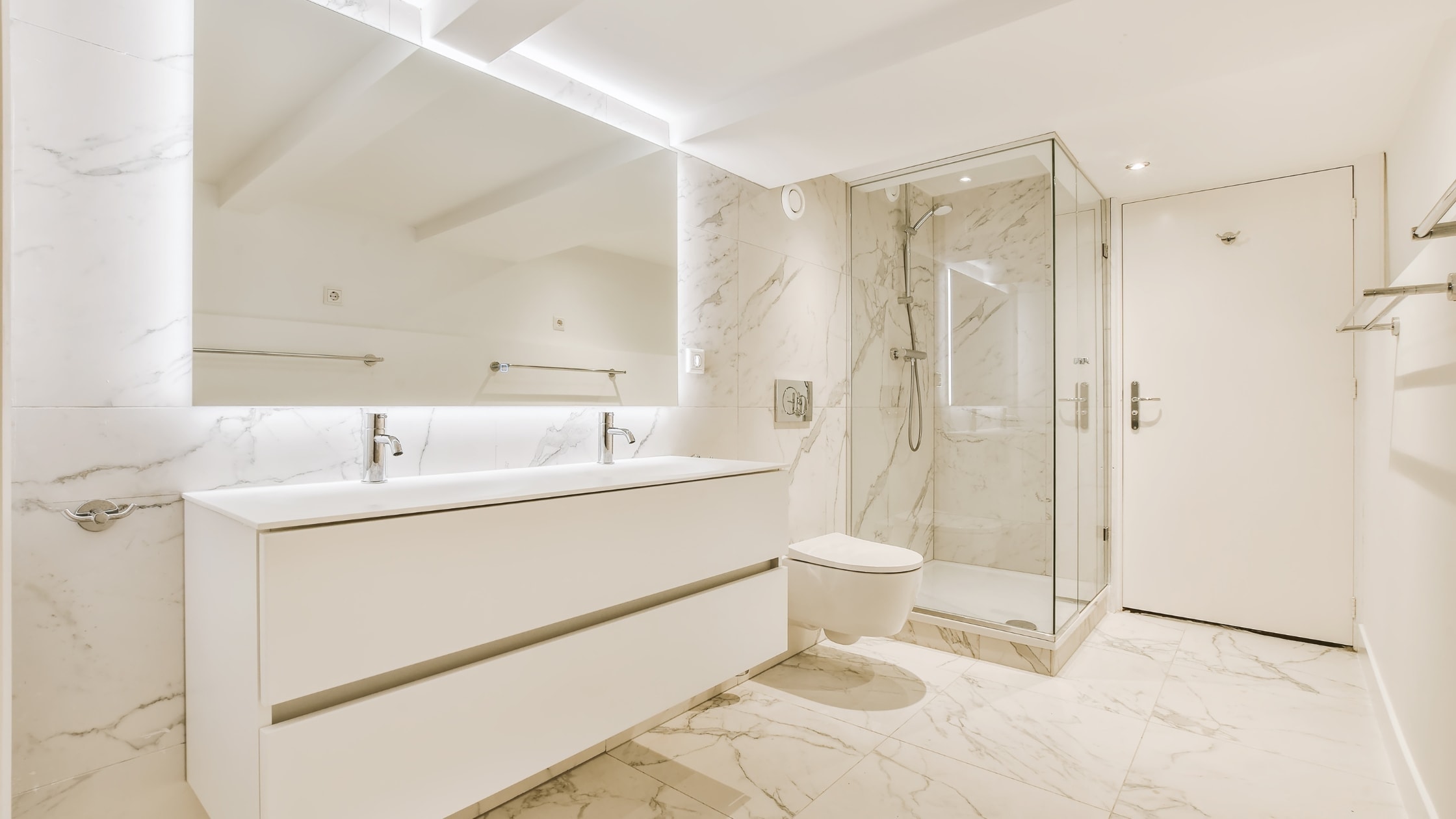
Walk-in showers provide quick access without stepping over high walls or waiting for water to fill, allowing you to turn on the water, step in, and complete your bathing routine in minutes. This efficiency appeals to busy households where morning routines need to move fast and every minute counts.
Standard bathtubs require filling with hot water before use, which takes time and increases water consumption while the high walls create barriers that some people find difficult to navigate. However, bathtubs offer the option to soak and relax in ways that showers cannot replicate, providing a fundamentally different bathing experience.
Space Requirements and Layout
Space usage differs significantly between these fixtures, with a standard tub installation typically requiring more floor space than a shower, though large walk-in showers can exceed standard tub dimensions. The bathroom layout determines what fits comfortably in your available area while still allowing adequate movement space.
Maintenance Considerations
Maintenance requirements vary between the two options in both frequency and method. Showers need regular cleaning to prevent soap scum and mildew on walls and doors, while bathtubs require deep cleaning inside the basin and around the rim where water and debris collect. Both demand attention, but the cleaning process and time investment differ considerably.
Quick tip: Measure your bathroom before deciding between fixtures, as space availability often determines which option fits best and leaves adequate room for movement.
How Does a Bathtub vs Walk-In Shower Decision Affect Your Daily Routine?
Morning Schedule Considerations
Your morning schedule influences which fixture serves you better in significant ways. Walk-in showers support quick routines where you need to get clean and moving fast, with five to ten minutes covering most shower needs when you’re rushing to work or appointments.
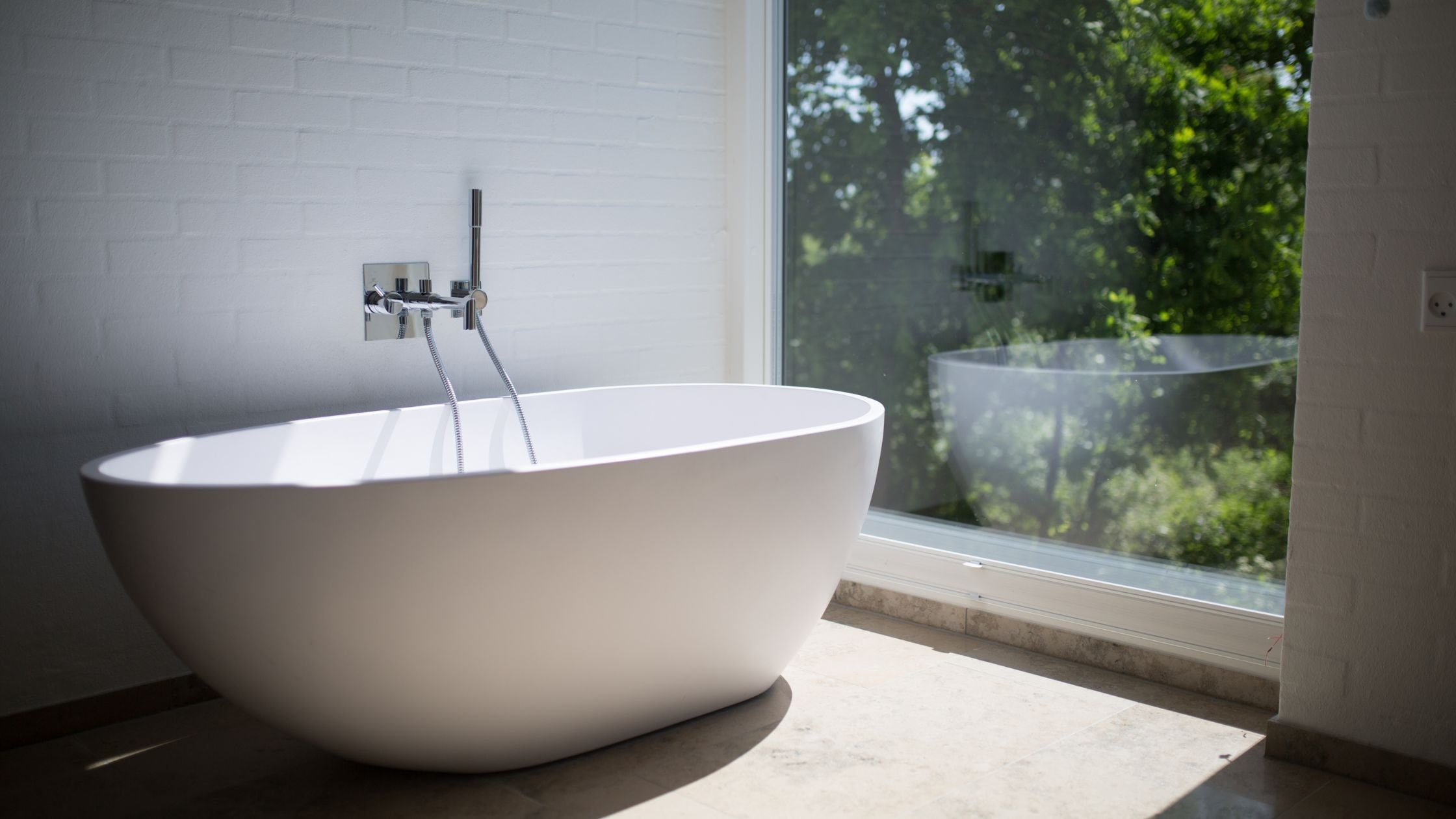
Bathtubs slow down your routine by design because filling a standard sized tub takes several minutes before you even begin bathing. This time investment works when you have leisure for a relaxing soak but frustrates people with packed schedules who need efficient morning preparations.
Evening Relaxation and Family Routines
Evening routines might favor bathtubs for their relaxation potential after long or stressful days. A hot bath helps soothe sore muscles after exercise or long workdays, and the immersive experience provides stress relief that showers cannot match for genuine decompression.
Families with young children often find bathtubs more practical for bath time coordination and efficiency. Multiple kids can bathe together, making the evening routine more efficient and even enjoyable, and parents also find it easier to bathe children in tubs where water stays contained and supervised play remains safe.
Which Option Works Better in a Small Bathroom?
Maximizing Limited Space
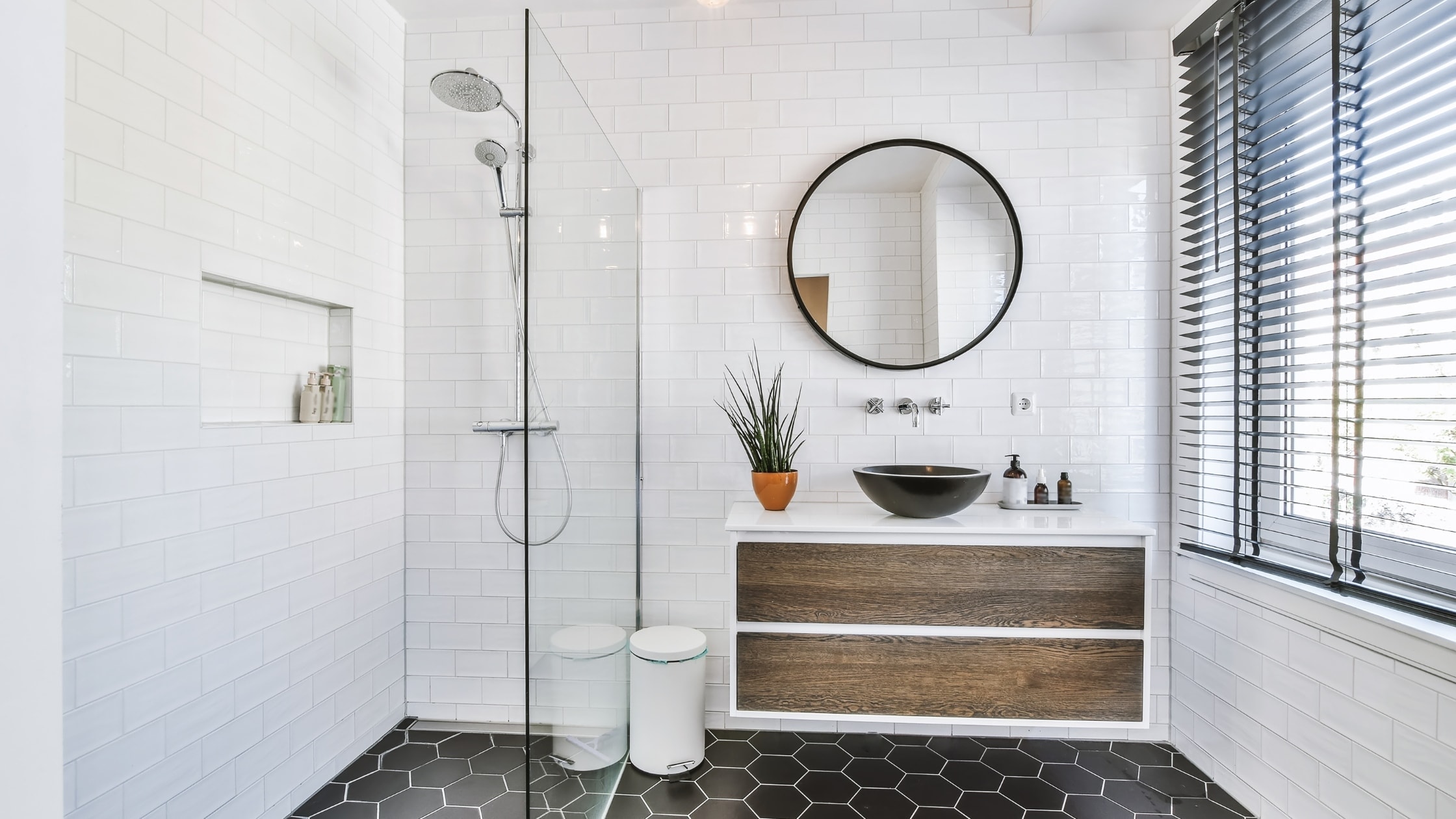
Small bathrooms benefit from walk-in showers that maximize limited floor space and create better traffic flow. A compact shower uses the available area more efficiently than a standard bathtub, and the streamlined design creates a sense of openness that makes the room feel larger than its actual dimensions.
Corner shower installations fit into tight spaces where bathtubs would dominate the room and overwhelm the layout. These configurations use space that often goes unused in small bathroom designs, and the result is better traffic flow and more functional storage options for toiletries and linens.
Visual Space Enhancement
A curbless shower creates an even more spacious feel by eliminating visual barriers that fragment the room. The continuous floor plane makes the entire bathroom appear larger, and this design choice works particularly well when every square foot matters in tight urban apartments or compact powder rooms.
Resale Considerations for Single-Bathroom Homes
However, if you have only a shower in a single-bathroom home, you might limit your resale options with buyers who need bathing facilities for children. Some buyers specifically want at least one bathtub for practical reasons, so balancing personal preference with market considerations becomes important in these situations.
For space-saving strategies and design ideas, see Space-Saving Tub-to-Shower Ideas for Small Bathrooms.
Did you know? Removing a bathtub and installing a walk-in shower can increase usable floor space by up to 30% in small bathrooms, improving both function and perceived size.
What Bathroom Design Considerations Impact Your Choice?
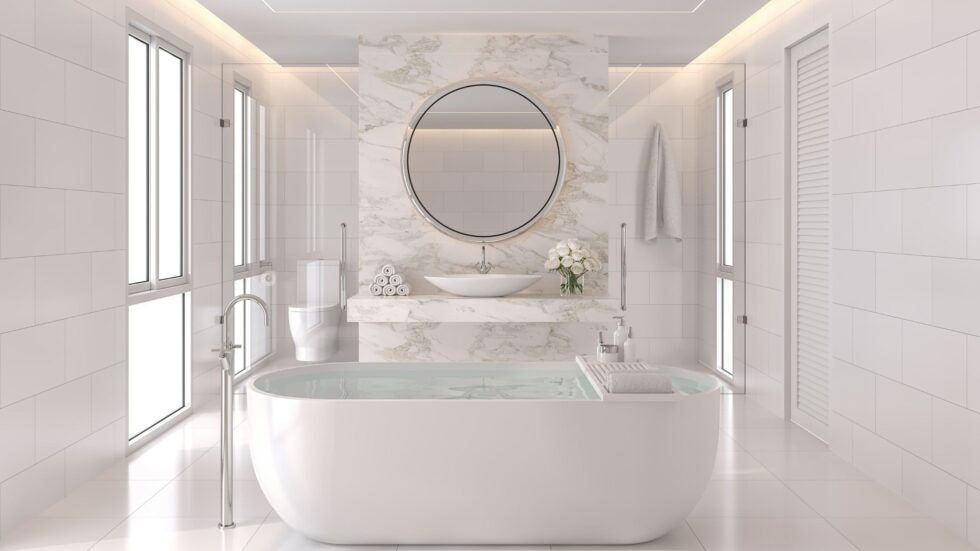
Your master bathroom design goals determine which fixture aligns with your vision. Luxurious walk-in showers with rain shower heads and body jets create a spa atmosphere. Glass doors and custom shower panels transform the space into a modern retreat.
Traditional bathroom designs often include freestanding tubs as focal points. These statement pieces anchor the room’s aesthetic and provide visual interest. Freestanding bathtubs work best in larger bathrooms where they have space to shine.
The installation process differs significantly between options. Shower installations require waterproofing, proper drainage, and careful attention to the shower pan. Bathtub installations involve ensuring level placement, secure support, and proper plumbing connections.
Your existing plumbing configuration affects installation complexity and cost. Moving water lines and drain locations increases project scope. Working within your current plumbing layout keeps the renovation simpler and more affordable.
Multiple bathrooms in your home provide flexibility in your decision. You might install both a shower and a tub in different bathrooms to serve various needs. This approach gives household members options based on their preferences.
How Does the Bath or Shower Choice Affect Resale Value?
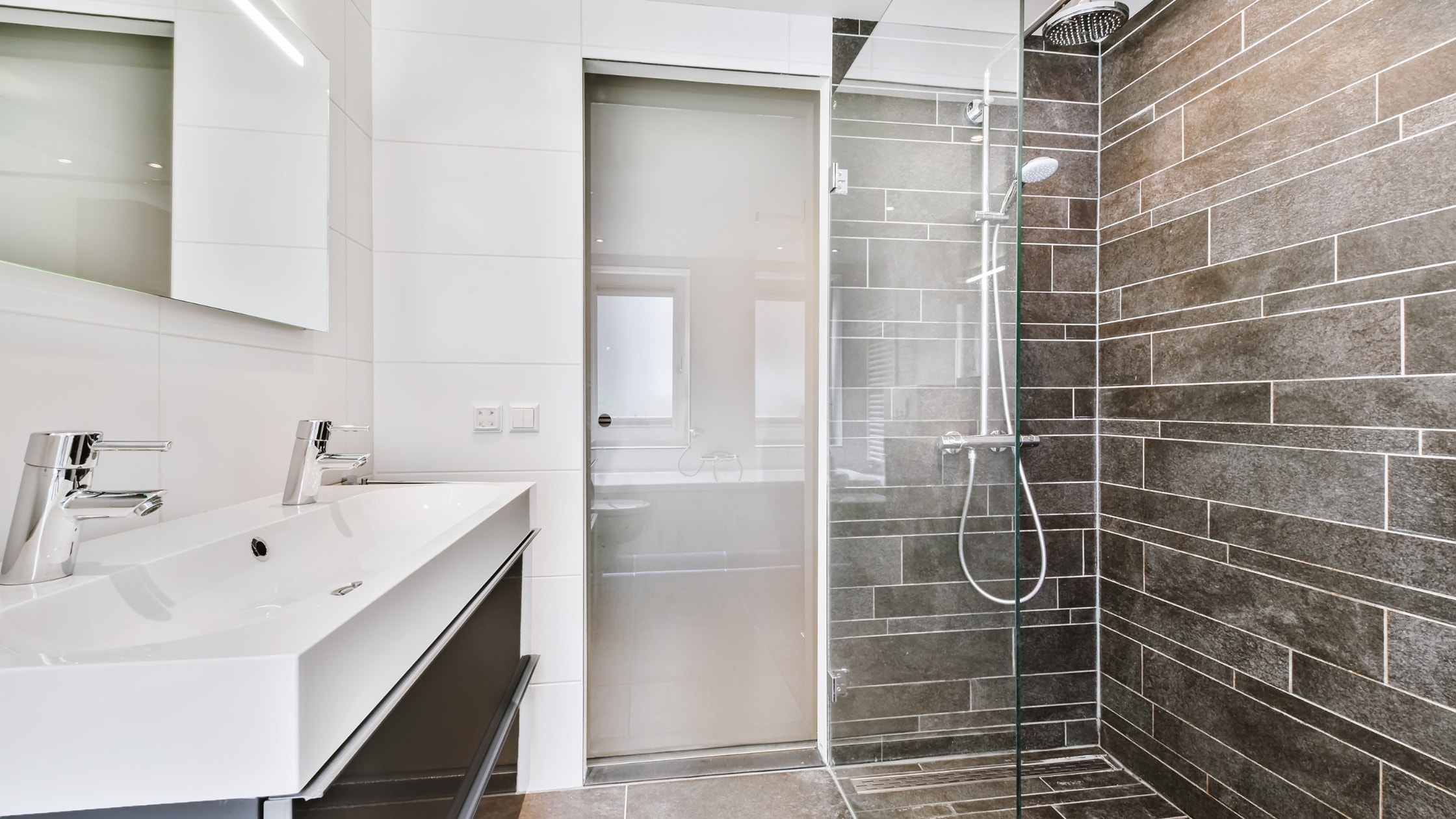
Home resale value considerations complicate the shower vs bathtub decision in ways that depend heavily on your specific market. According to the National Association of Realtors, bathroom remodels typically return 60-70% of their cost at resale, and the fixture you choose influences buyer appeal and final sale price.
Buyer Demographics and Preferences
Properties with at least one bathtub appeal to a broader buyer pool because young families specifically seek homes where they can bathe children safely. A home with only a shower in one bathroom might discourage these buyers from making offers or could reduce the price they’re willing to pay.
Master bathrooms with walk-in showers attract buyers seeking modern amenities and contemporary design. Large walk-in showers signal updated, well-maintained homes that many purchasers value, and the trend toward shower-focused master baths continues growing among younger homebuyers.
Geographic Market Considerations
Geographic markets show different preferences for bathroom fixtures based on local demographics and housing types. Urban areas with smaller homes often favor efficient shower installations that maximize limited space, while suburban family neighborhoods place higher value on at least one tub for practical child-rearing reasons.
If you have multiple bathrooms, including both shower and tub options provides maximum appeal to diverse buyer types. This arrangement satisfies different buyer preferences and demonstrates a well-rounded home that can serve various lifestyle needs, and the investment in variety often pays off during resale negotiations.
What Are the Practical Advantages of Walk-In Showers?
Safety and Accessibility Benefits
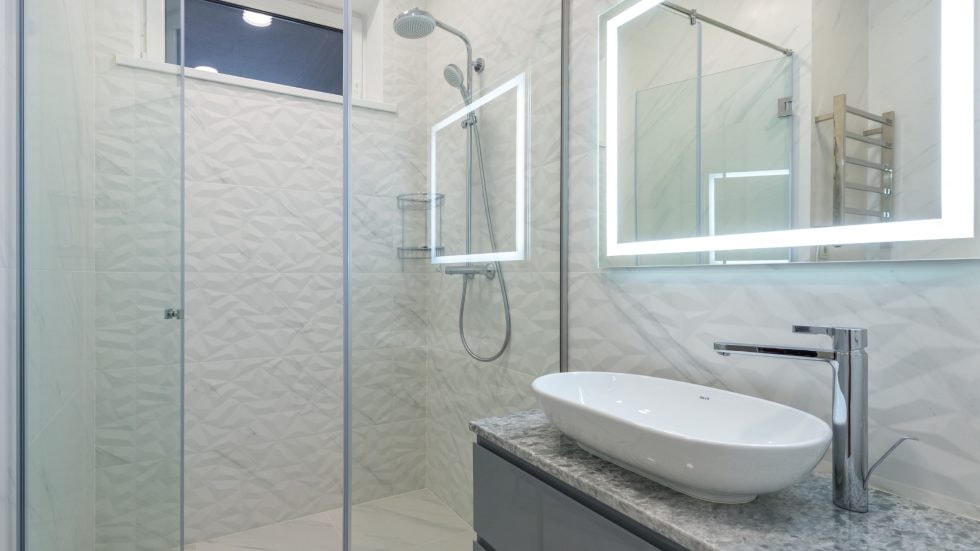
Walk-in showers provide easy access that becomes increasingly valuable with age, eliminating high walls to step over and reducing fall risk for safer daily bathing. This accessibility feature benefits everyone but proves essential for people with mobility concerns who need barrier-free bathroom access.
Efficiency and Cost Savings
Water and energy efficiency favor showers over baths in several important ways:
- A standard shower uses 15-25 gallons of water compared to 35-50 gallons for filling a bathtub
- Lower hot water consumption translates to reduced water and energy bills over time
- Shorter bathing time means less energy spent heating water throughout the shower
- Quick daily showers add up to significant savings over months and years of use
Modern Design Features
Modern walk-in shower designs incorporate features that enhance the bathing experience beyond simple functionality. Rain showers create a gentle, immersive sensation that feels luxurious, while built-in seating provides comfort and safety for users who prefer or need to sit. Multiple shower heads offer customizable water coverage that can transform an ordinary shower into a spa-like retreat.
Easy Maintenance
Cleaning accessibility improves with walk-in designs because the open layout makes all surfaces reachable without awkward stretching or bending. Glass doors or enclosures wipe clean faster than scrubbing around a bathtub basin, saving time and effort on regular bathroom maintenance.
Shower installations adapt to various design preferences and aesthetic goals. Custom shower configurations match your exact specifications, and from minimalist to elaborate spa-like setups, showers accommodate different style visions while maintaining functionality.
For comprehensive information about converting your existing bathtub, visit The Complete Guide to Tub-to-Shower Conversions.
What Benefits Do Bathtubs Provide That Showers Cannot?
Therapeutic and Relaxation Benefits
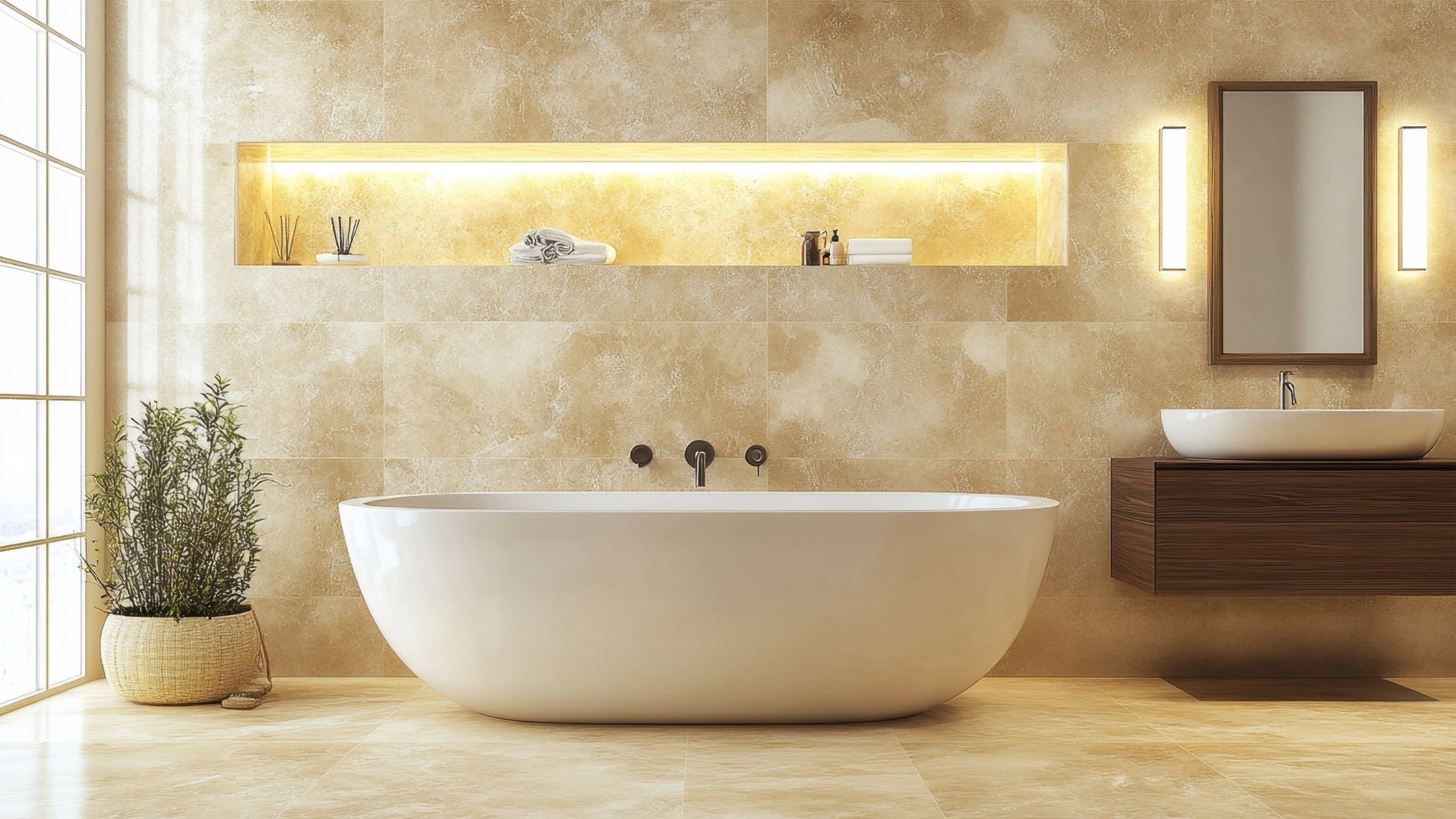
Bathtubs offer therapeutic soaking that helps soothe sore muscles and joint pain in ways that shower spray simply cannot match. The hot water immersion provides relief that reaches deep into muscles, and people with arthritis or chronic pain often rely on regular hot baths for symptom management and daily comfort.
The relaxation factor sets bathtubs apart from purely functional shower installations, as a long soak with bath products creates a genuine escape from daily stress. This mental health benefit matters to people who value their bathroom as a retreat space where they can decompress and recharge.
Family and Practical Considerations
Practical advantages for families include safe bathing spaces for small children where young kids can play in bath water while getting clean. Parents maintain better control over the bathing process in a contained tub environment, making evening routines smoother and safer for everyone involved.
Bathtubs serve multiple purposes beyond bathing that add unexpected utility to your bathroom. They work as handwash stations for large items like pet beds or muddy sports equipment, providing practical value that showers cannot offer for household cleaning tasks.
Enhanced Soaking Options
Whirlpool tubs take the bathing experience further with jet massage features that combine soaking benefits with hydrotherapy. These fixtures appeal to people serious about their at-home wellness routines, though they represent a significant investment compared to standard bathtub options.
Quick tip: If you choose a walk-in shower for your main bathroom, consider keeping a bathtub in at least one other bathroom to maintain property appeal and practical flexibility.
How Do Tub Shower Combos Compare to Standalone Options?
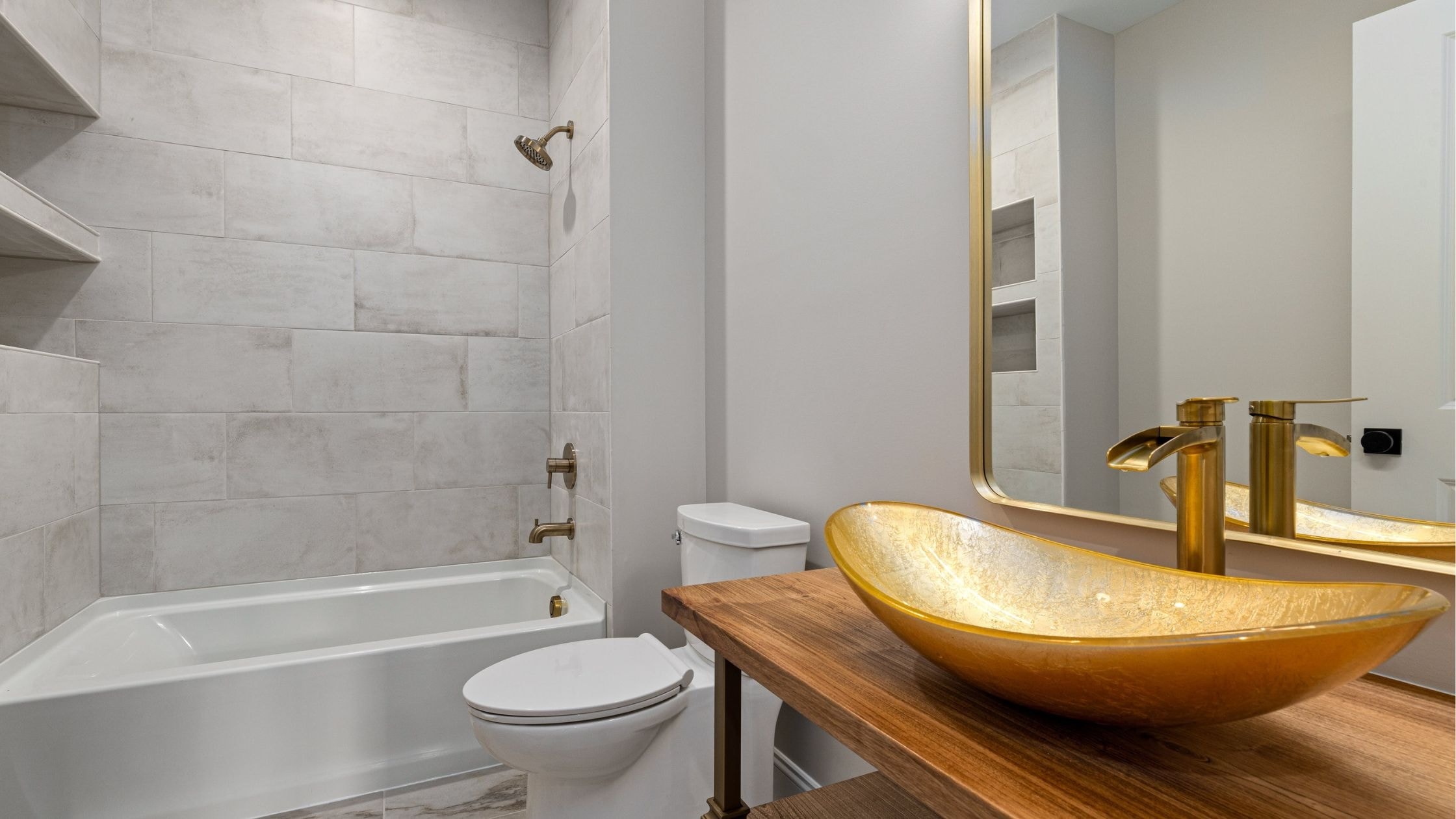
A tub shower combo provides both bathing options in a single footprint. This space-efficient solution works well in homes with one bathroom or limited square footage. The combination fixture addresses multiple household needs without requiring separate installations.
The shower tub combo appeals to families who need flexibility. Adults can shower while maintaining the ability to bathe children. This versatility eliminates the need to choose between conflicting preferences.
However, combination units compromise on both experiences. The shower combination component typically offers less space than a dedicated walk-in shower. The tub portion might be shallower or narrower than a standard bathtub designed solely for soaking.
Aesthetic considerations affect satisfaction with shower combo installations. Many people find combination units less visually appealing than separate fixtures. The utilitarian design works better in guest or children’s bathrooms than in master bath spaces.
Installation costs for combination units generally fall below installing separate shower and tub fixtures. This financial advantage matters when budget constraints influence your renovation decisions. The savings can fund upgrades in other bathroom features.
What Role Does Energy Efficiency Play in the Shower vs Bathtub Decision?
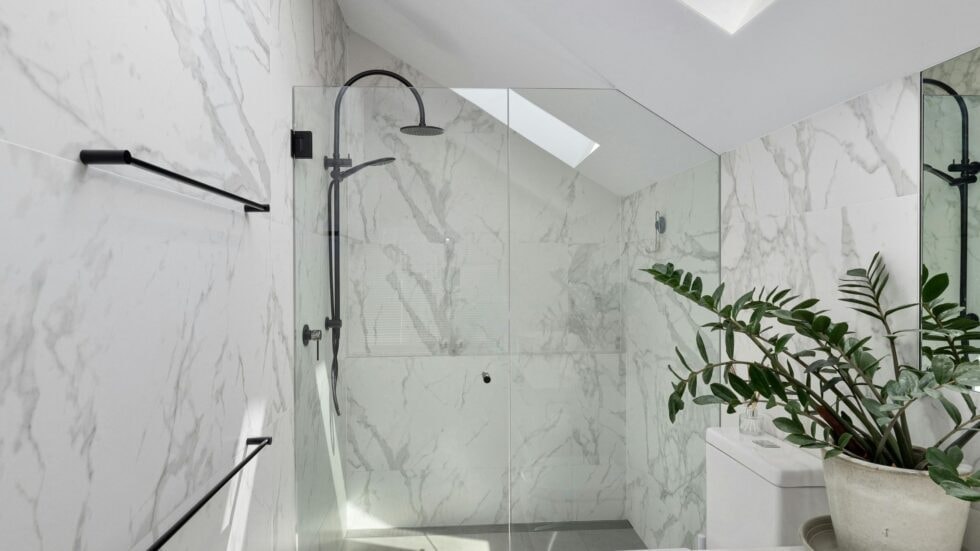
Energy efficiency strongly favors walk-in showers over bathtubs. Heating water for a full bath requires significantly more energy than a typical shower. This difference impacts both utility costs and environmental footprint.
Low flow showerhead installations reduce water consumption further without sacrificing shower quality. These fixtures deliver satisfying water pressure while using less hot water. The technology makes showers even more efficient than traditional models.
Water and energy bills reflect your bathing choices over time. Households that primarily shower spend less on utilities than those taking regular baths. The cumulative savings can be substantial over years of use.
Hot water heater capacity influences bathing options. Smaller units might struggle to fill large tubs with adequately hot water. Showers place less demand on water heating systems and work better with modest equipment.
Low flow fixtures throughout your bathroom multiplication savings when combined with efficient shower use. The coordinated approach to water conservation delivers both environmental and financial benefits. These features also appeal to eco-conscious home buyers.
Many people find that accessible walk-in showers provide better solutions than walk-in tubs. Showers offer quicker access, easier maintenance, and more flexible use. For accessibility improvements, see Accessibility Upgrades for Tub-to-Shower Conversions.
Frequently Asked Questions About Walk-In Showers vs. Bathtubs
Does removing a bathtub hurt resale value?
Removing your only bathtub can potentially hurt resale value, particularly in family-oriented neighborhoods. Most real estate experts recommend keeping at least one tub in your home to appeal to the broadest buyer pool. However, removing a second or third bathtub to install a walk-in shower typically does not negatively impact value and may even increase it in the master bathroom.
Which is better for elderly people, a walk-in shower or bathtub?
Walk-in showers typically serve elderly people better than bathtubs due to easier access and reduced fall risk. The absence of high walls to step over makes showers safer for people with mobility concerns or balance issues. Adding grab bars, built-in seating, and non-slip flooring further enhances safety and independence.
Can you have both a shower and tub in a small bathroom layout?
You can install both a shower and tub in a small bathroom using a shower tub combo configuration. This solution provides both bathing options within a single fixture footprint. However, separate shower and tub installations require at least 60-70 square feet of bathroom space to accommodate both fixtures comfortably.
Do walk-in showers use less water than baths?
Walk-in showers typically use less water than baths, with average showers consuming 15-25 gallons compared to 35-50 gallons for a full bathtub. Installing a low flow showerhead reduces water usage further while maintaining adequate pressure. The difference significantly impacts water and energy bills over time, making showers the more efficient choice.
What is the most popular choice for master bathrooms?
Walk-in showers have become the most popular choice for master bathrooms in modern home design. Contemporary homeowners favor the sleek appearance, accessibility, and spa-like features that large walk-in showers provide. However, luxury master bathrooms often include both a freestanding tub and a separate walk-in shower to offer maximum flexibility and appeal.
How long does a walk-in shower last compared to a bathtub?
Both walk-in showers and bathtubs last 15-20 years with proper maintenance and quality installation. The longevity depends more on material quality and care than on fixture type. Regular cleaning, addressing leaks promptly, and using appropriate cleaning products extend the life of either option. Premium materials and professional installation contribute to durability for both fixtures.
Making the Right Bathroom Renovation Choice for Your Home and Lifestyle
The bathtub vs walk-in shower decision shapes your daily routine and bathroom satisfaction for years. Your choice should align with how you actually use your bathroom rather than following design trends that don’t match your needs. Consider your household composition, space limitations, and personal preferences honestly.
New Wave Home helps you navigate this decision with expert guidance and efficient installation services. Their bathroom remodels deliver professional results with minimal disruption to your daily life. Whether you choose a walk-in shower, bathtub, or combination approach, the right fixture enhances your home’s function and your quality of life.
Contact New Wave Home for a consultation about your bathroom renovation plans. Their team can assess your space, discuss your needs, and recommend solutions that fit your lifestyle and budget. Making an informed decision supported by professional expertise ensures satisfaction with your bathroom for years to come.